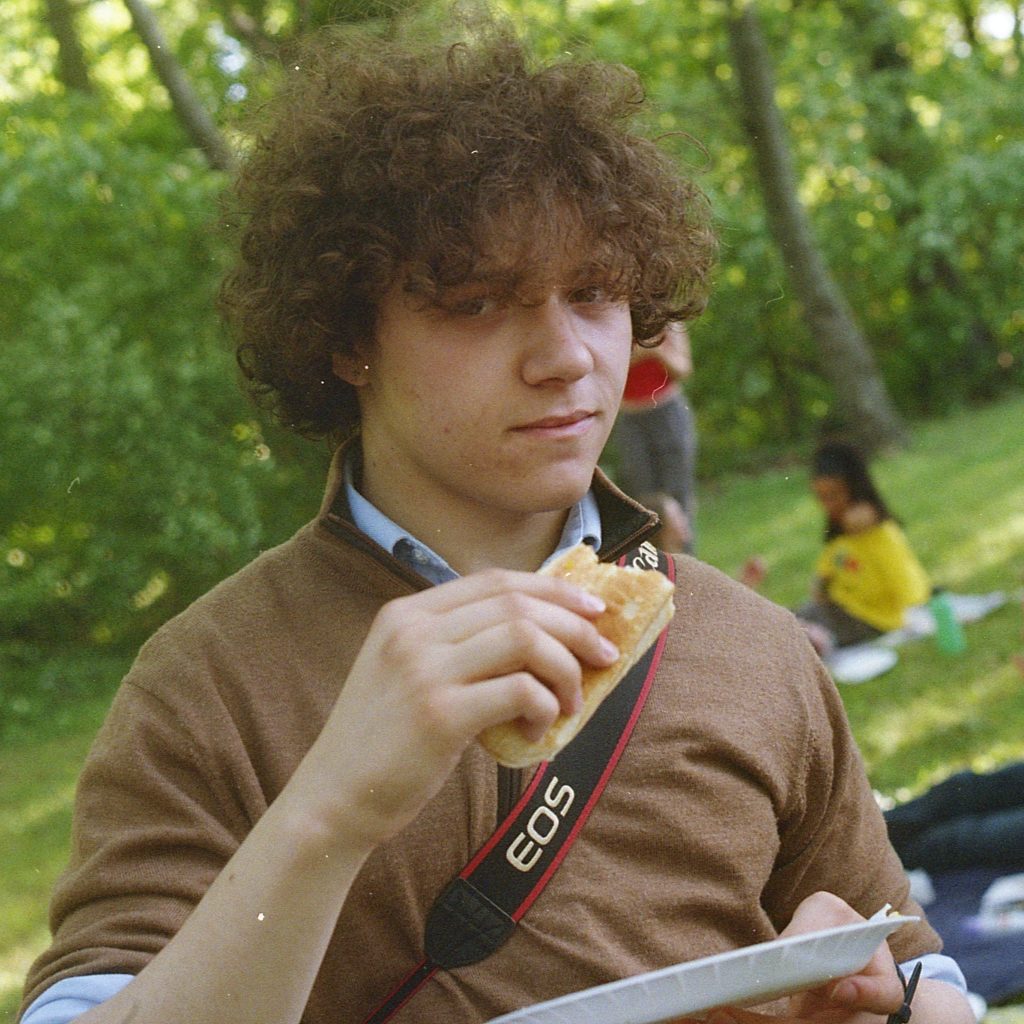
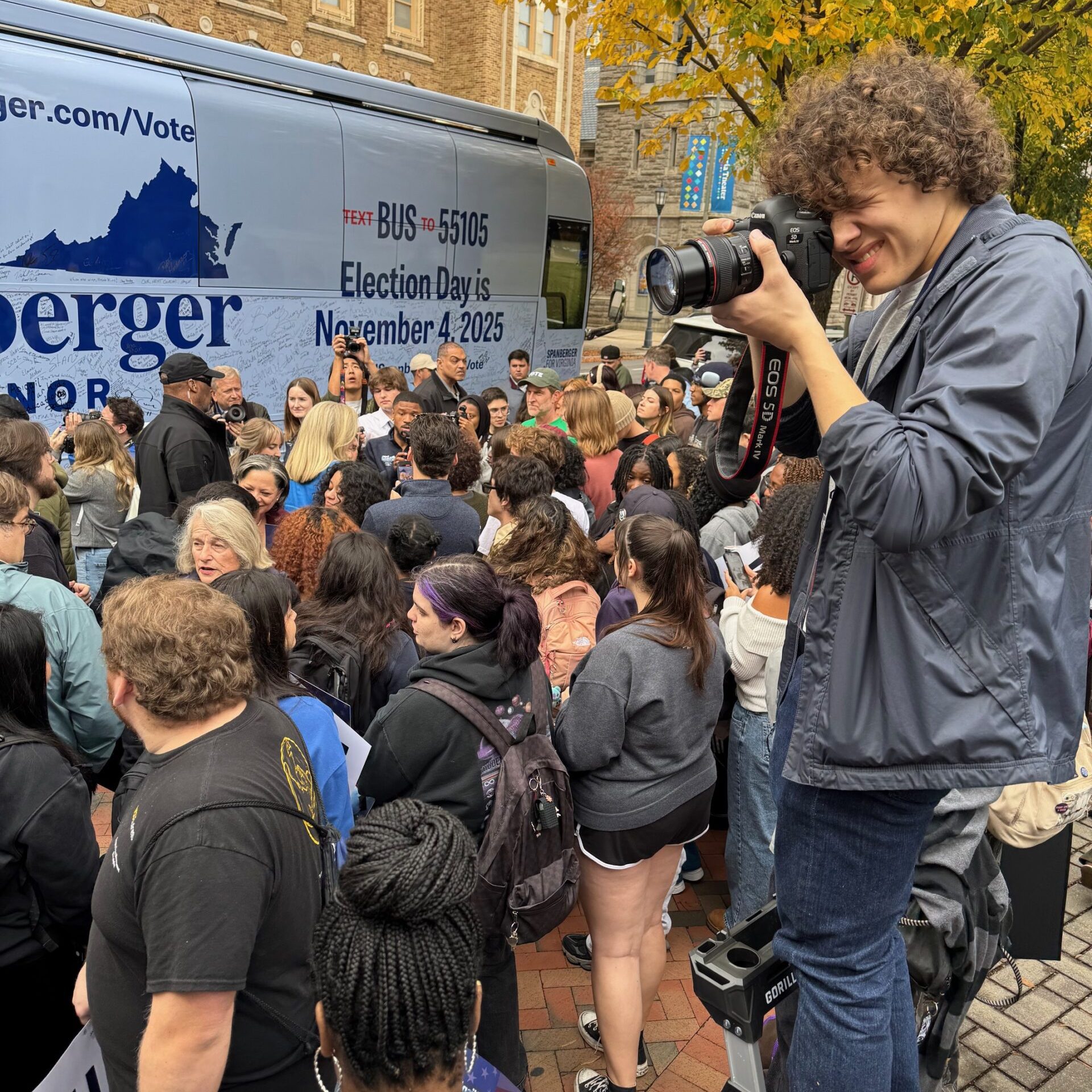
Ben Ackman is an editorial photographer from Jersey City, New Jersey, studying economics and photography at American University. His work has appeared extensively in the Jersey City Times, his hometown publication, as well as several student publications. He is interested in photographing the maintenance of communities, traditions and institutions against systemic pressures.
Ben’s interest in photography descended from a hobby in 3D rendering software. His favorite things to photograph are clouds, water and people on boats. He enjoys reading and writing and is currently watching The Sopranos.
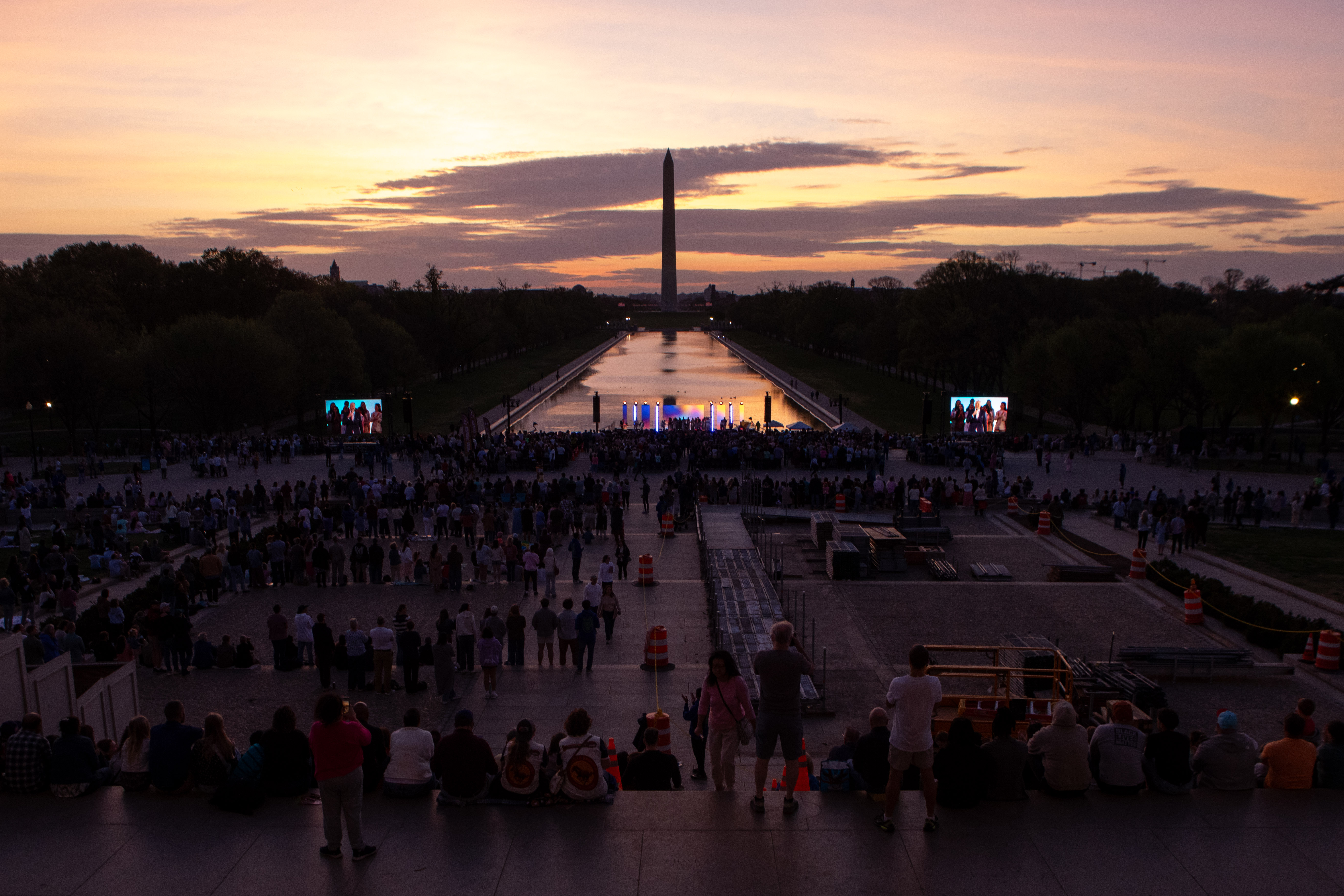

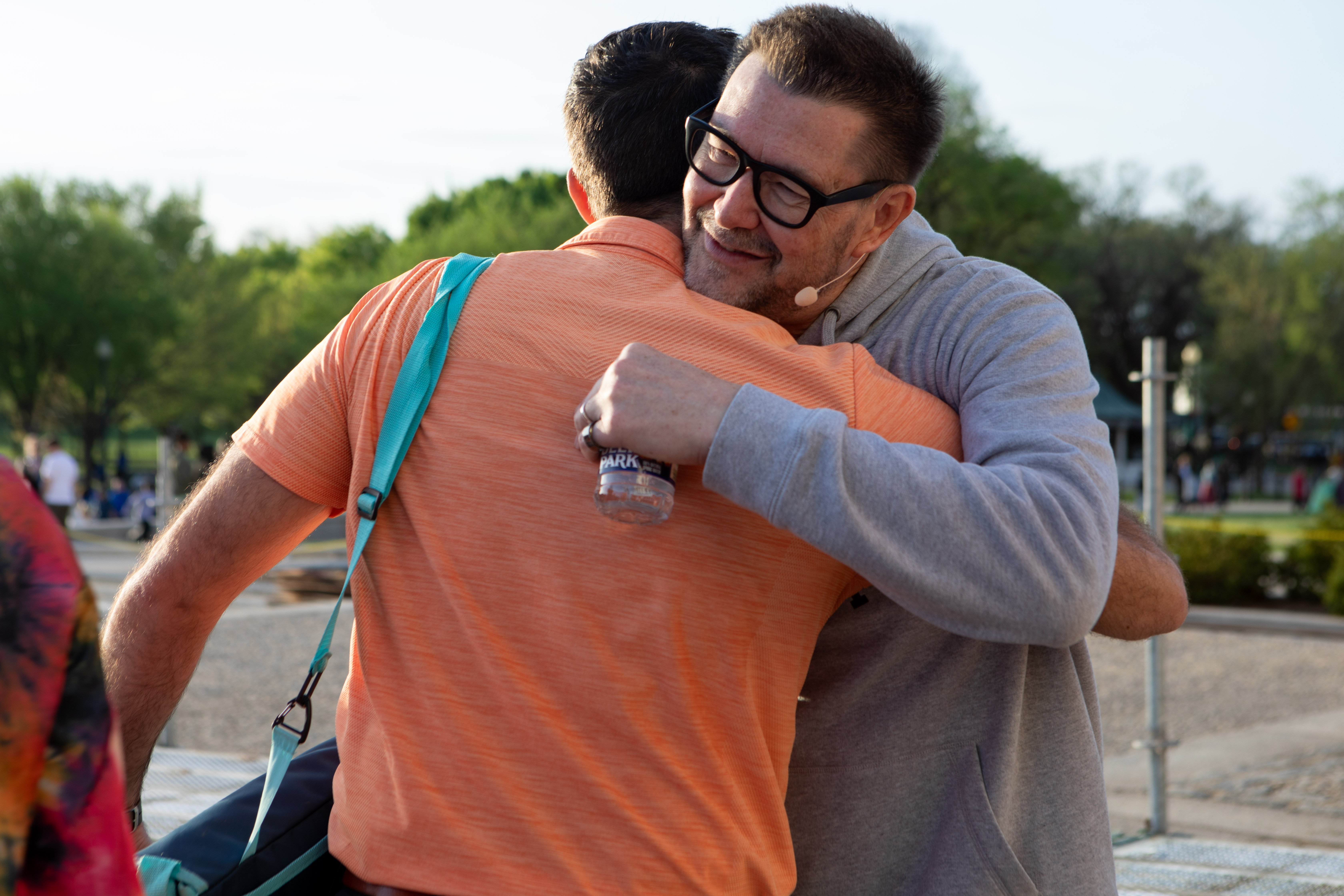




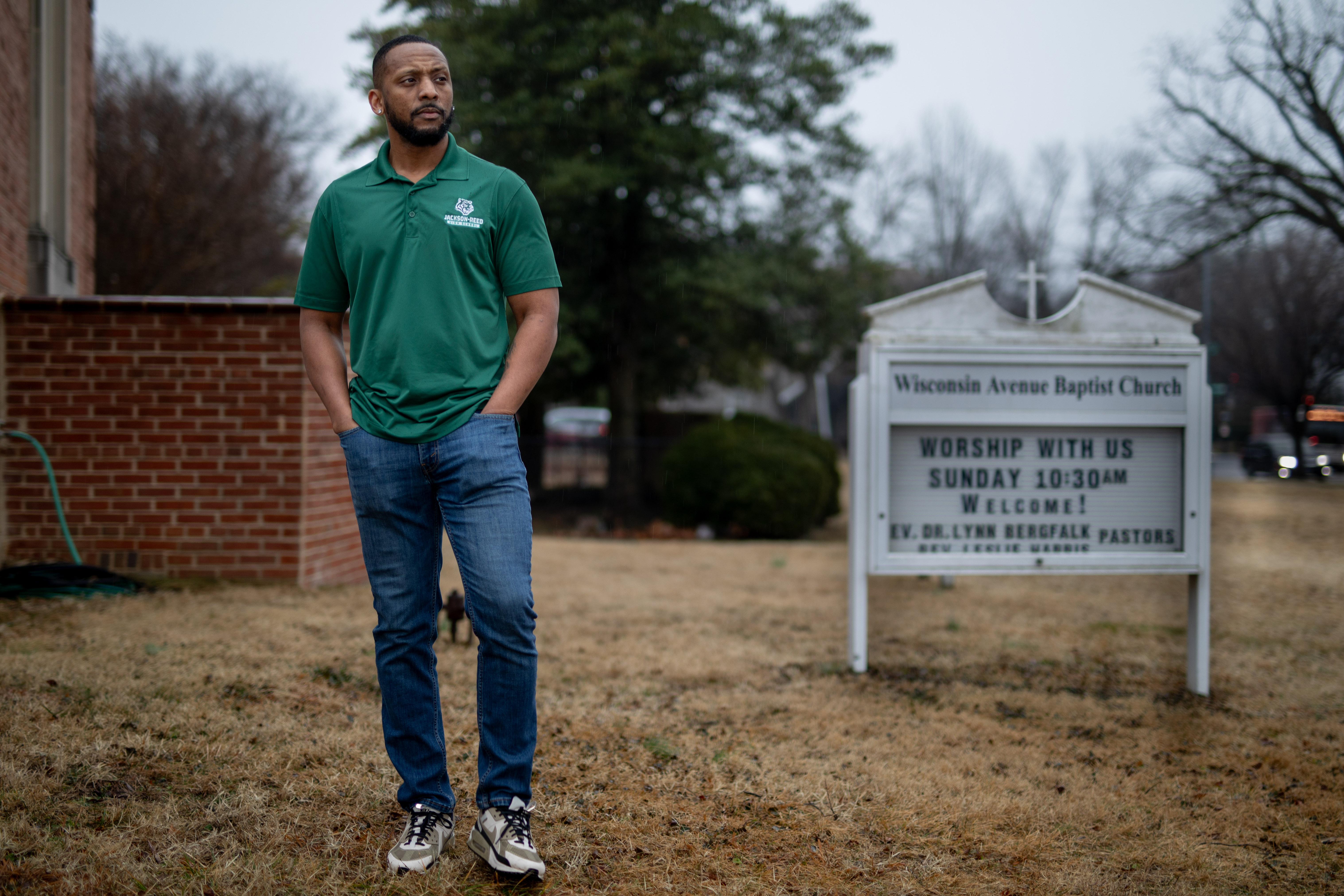
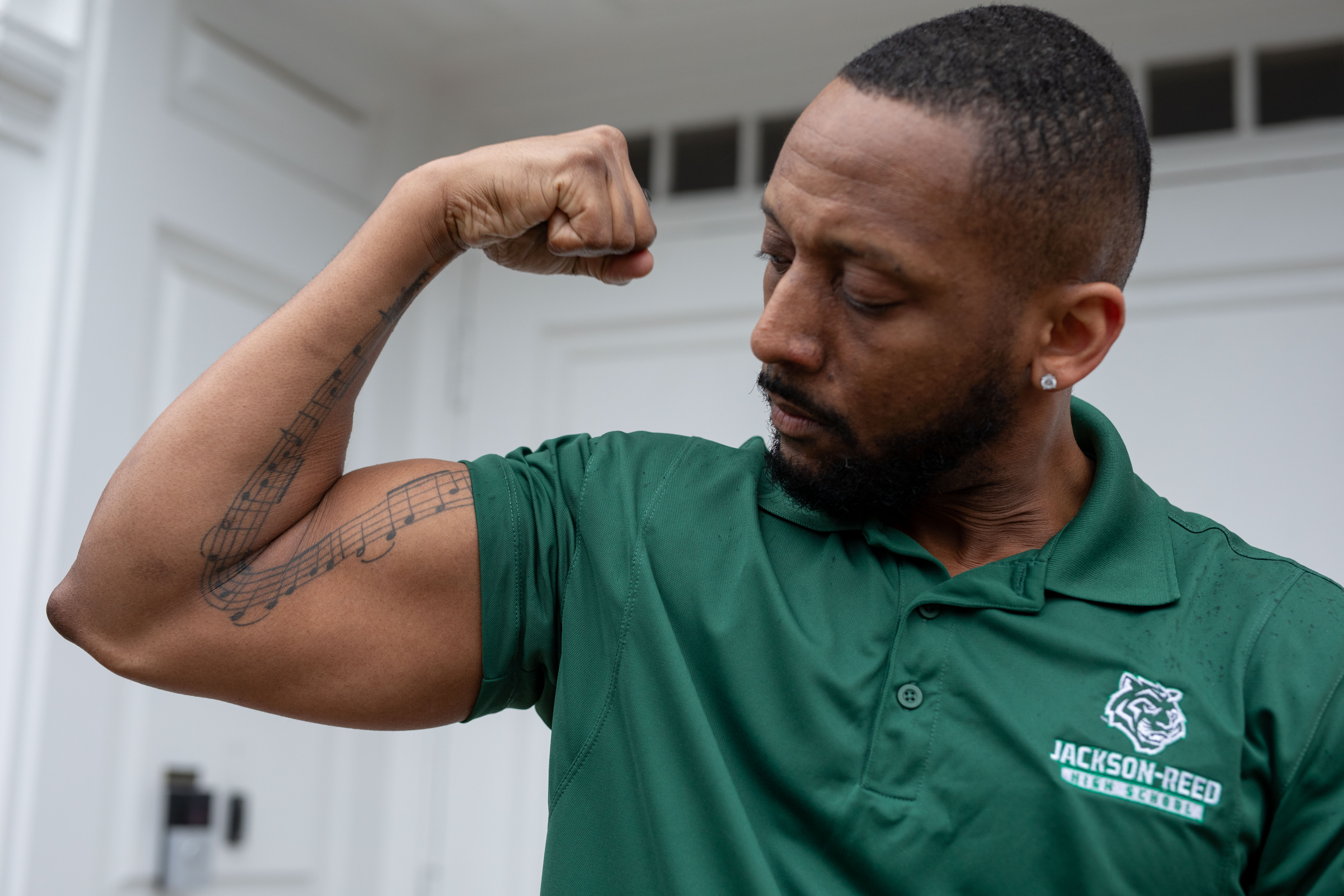
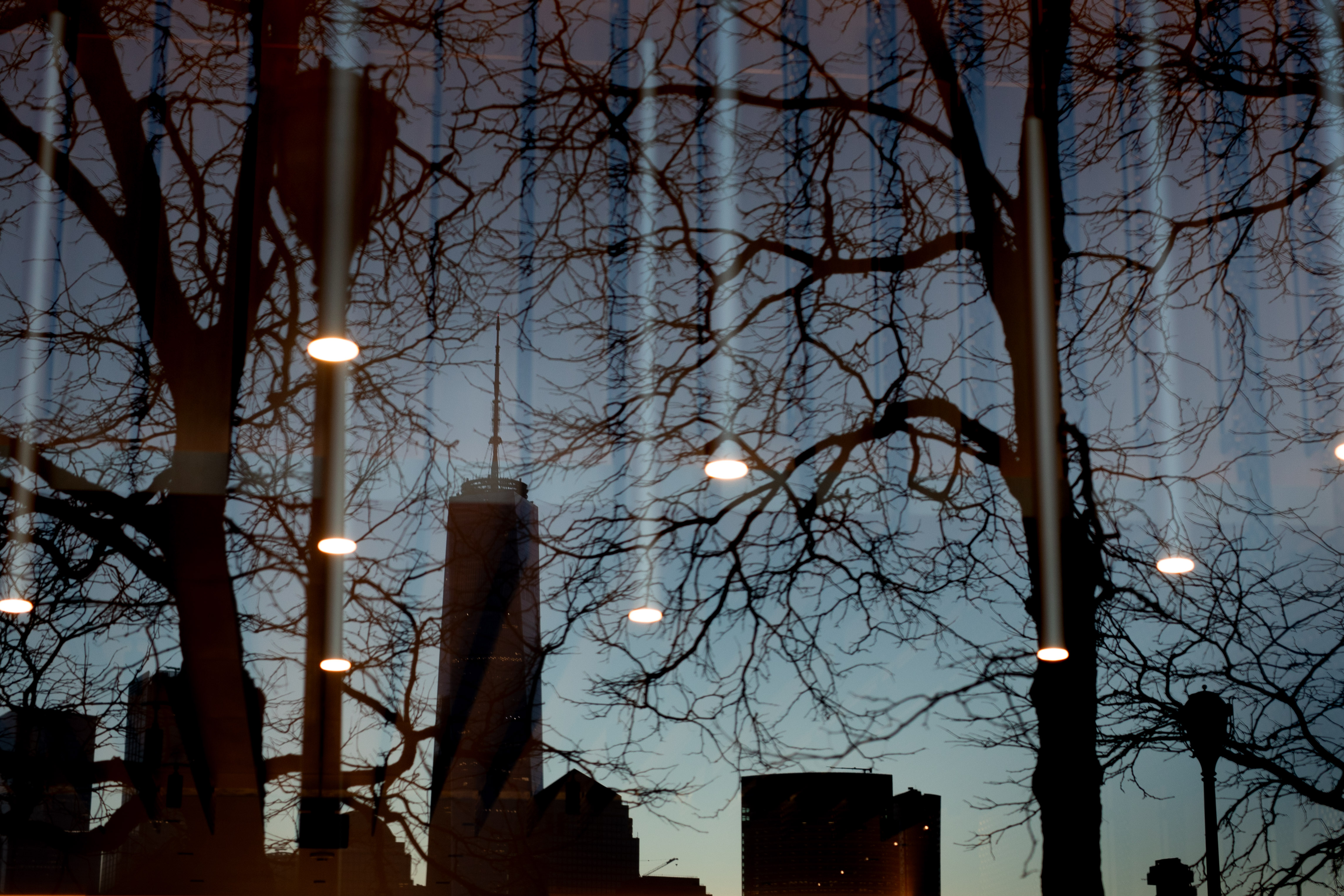
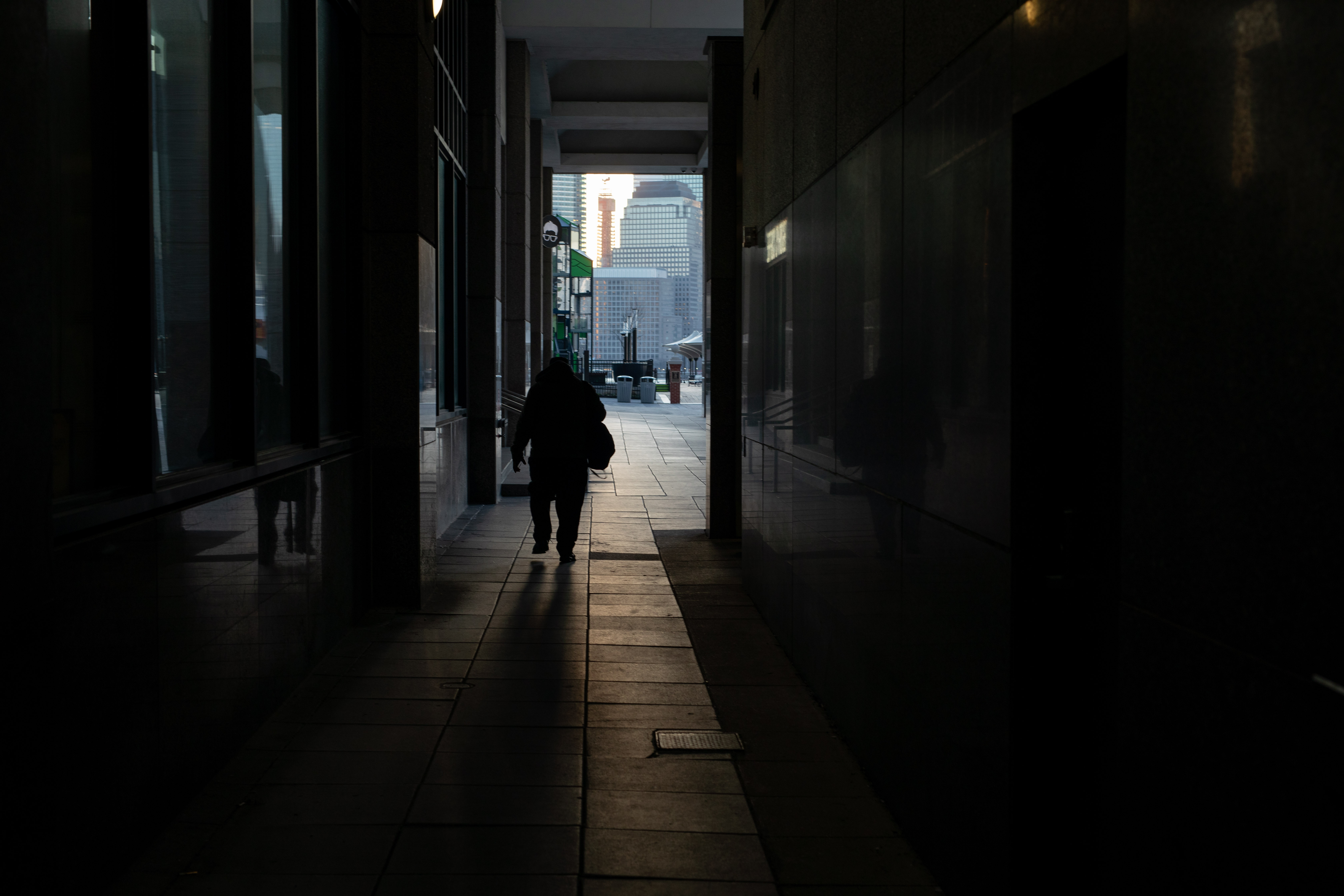
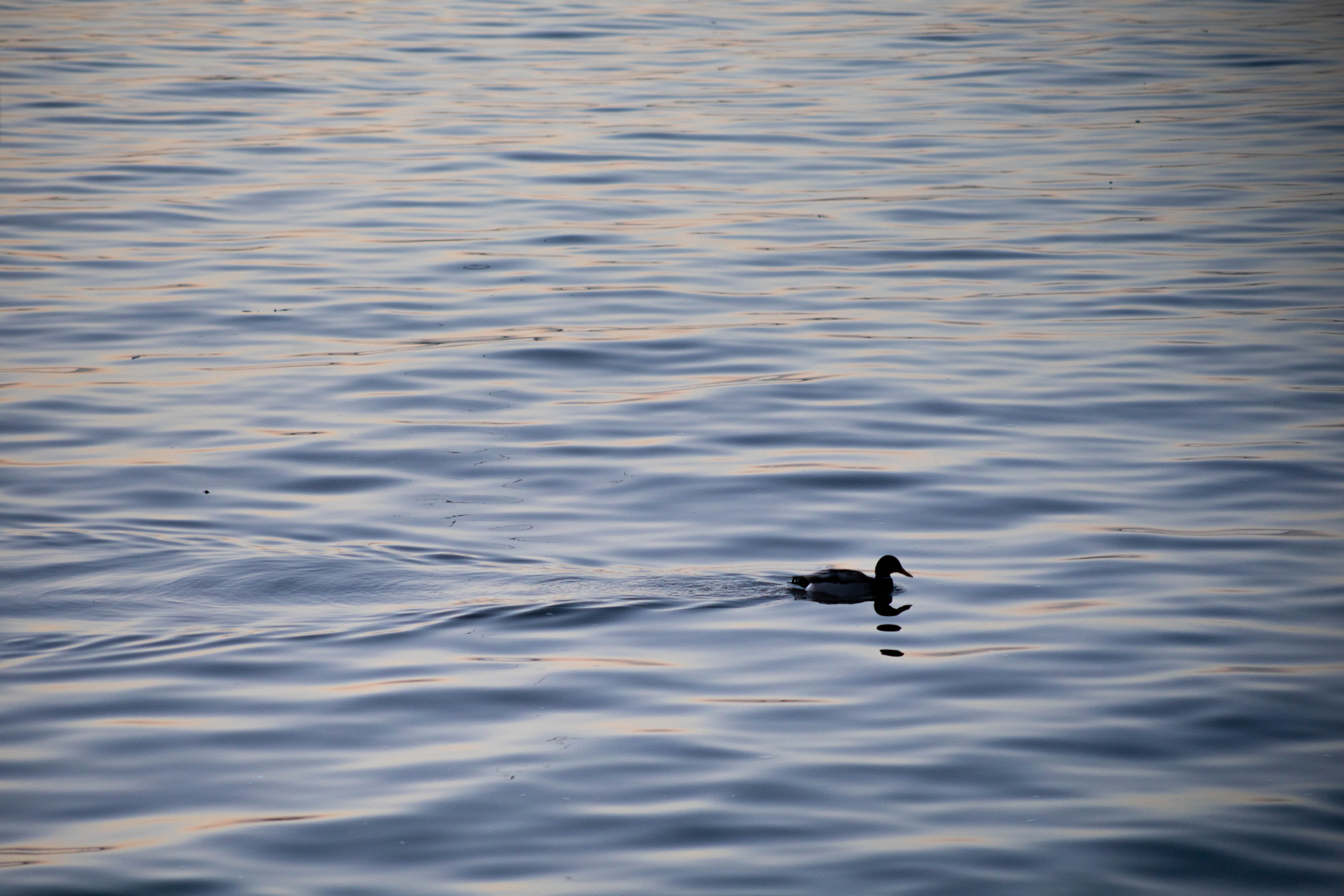
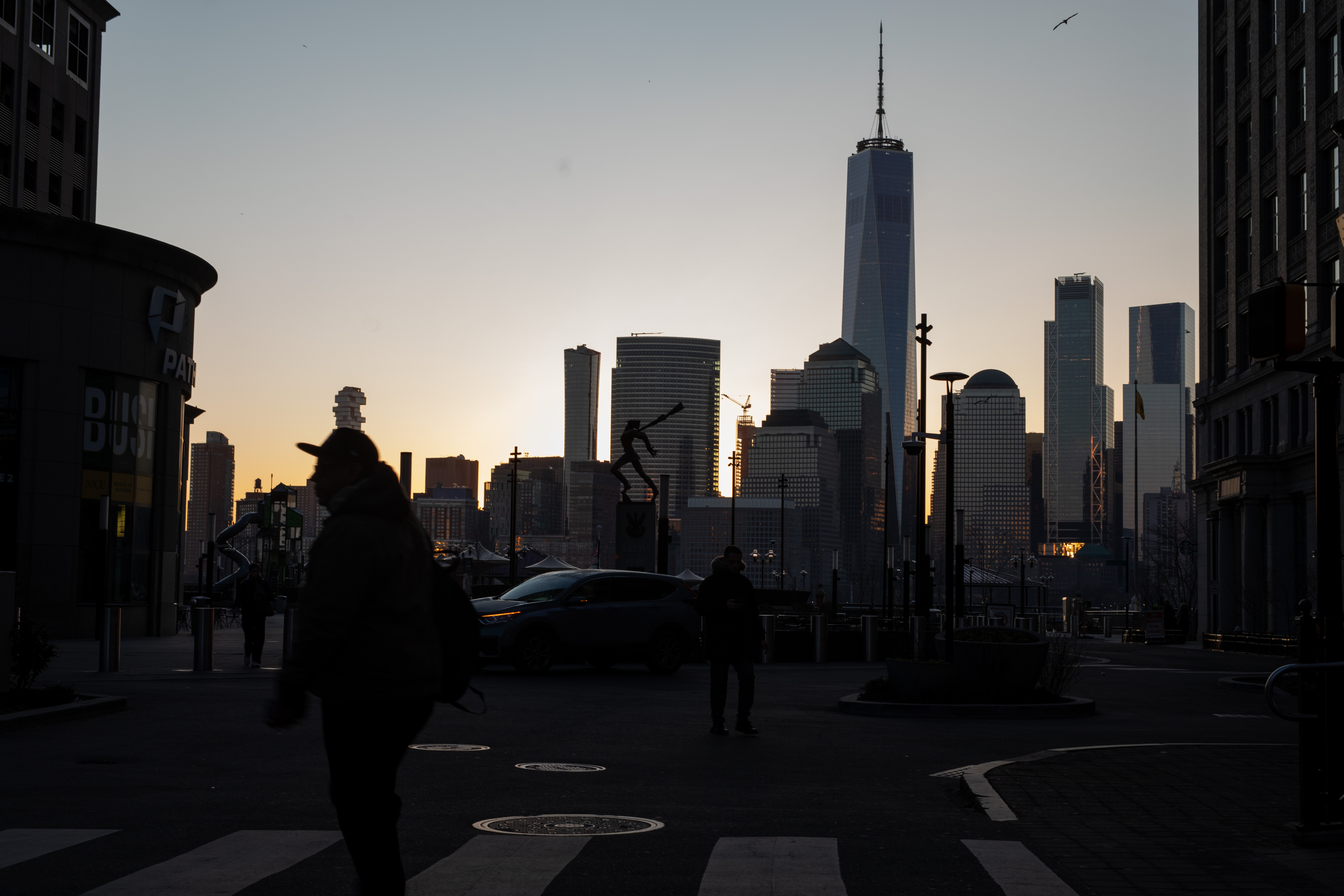
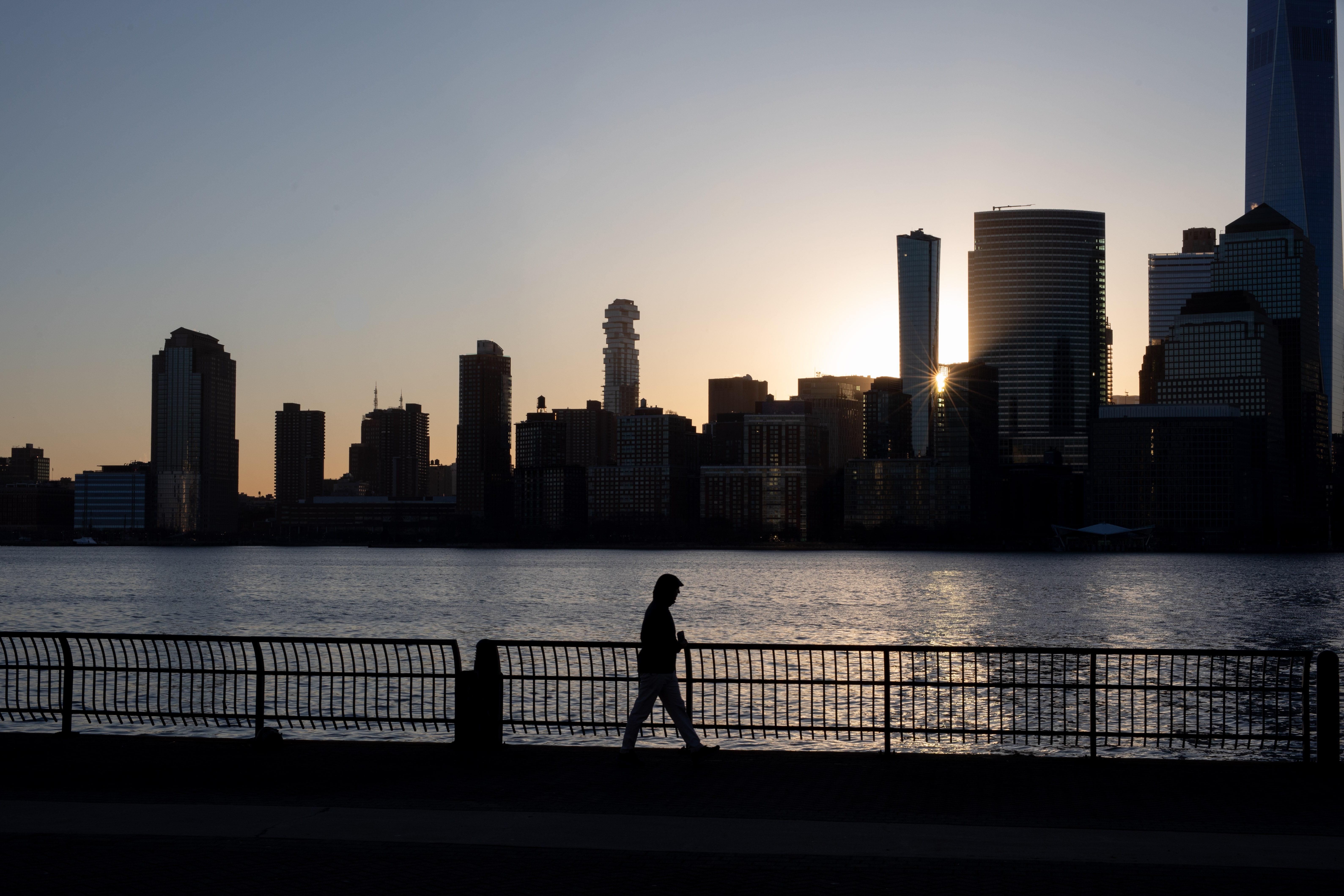
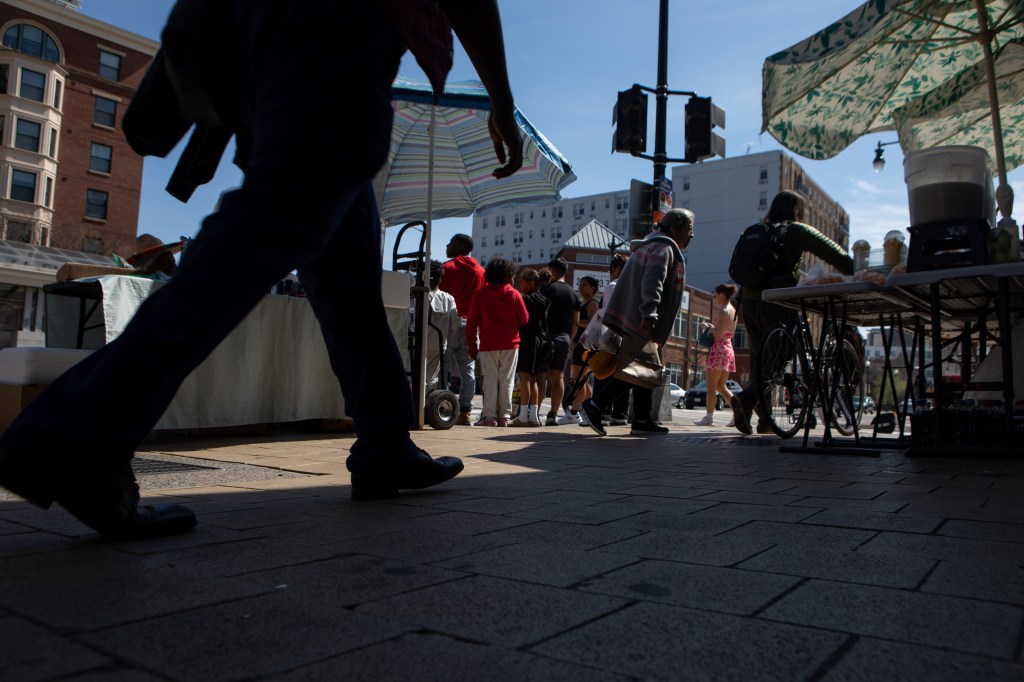
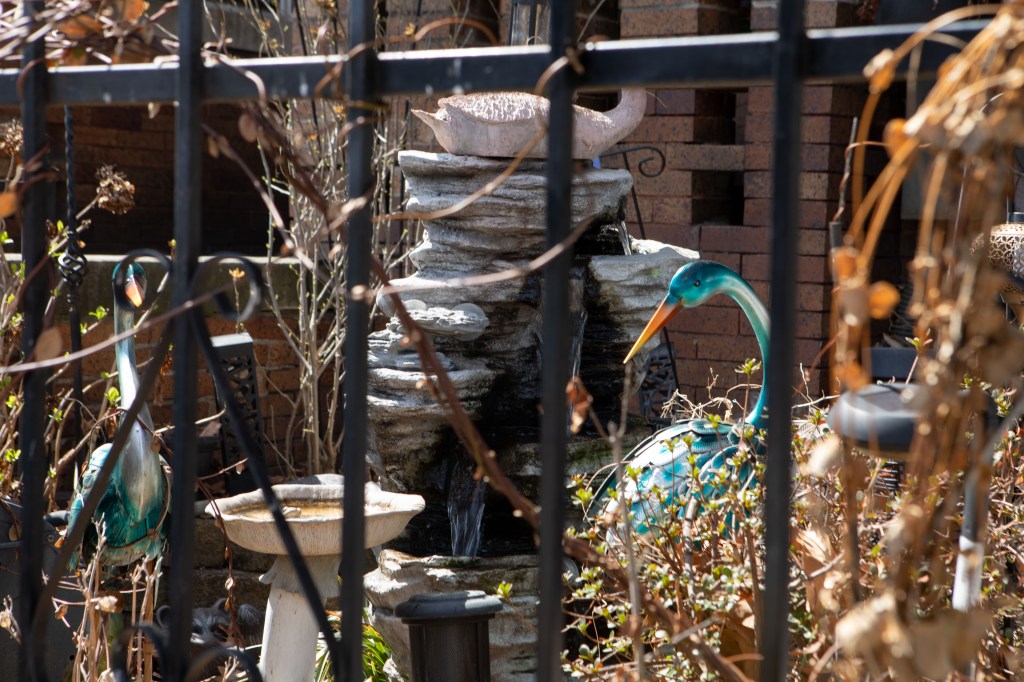
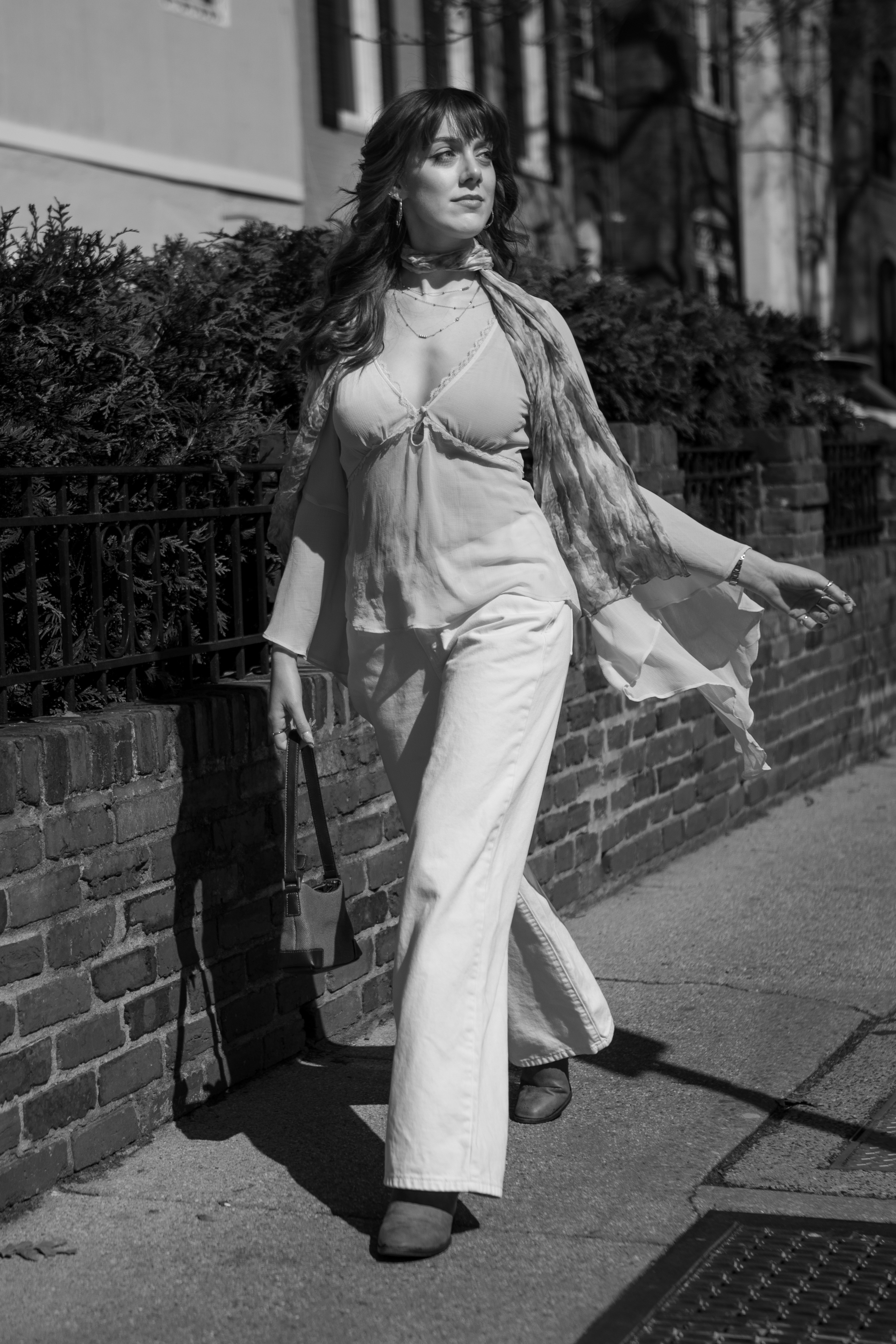
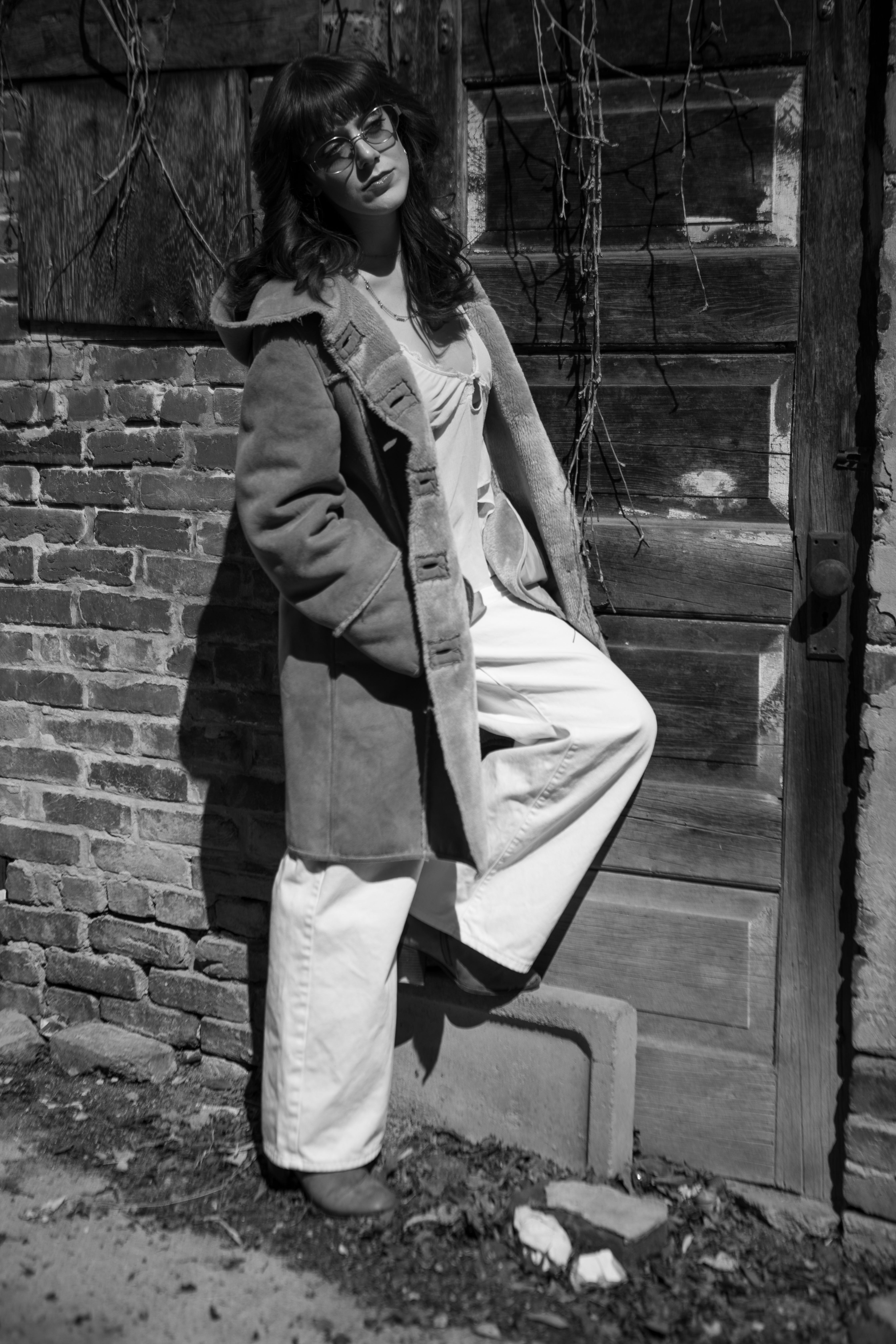




The Potomac River is a nexus of economic activity. In warmer months, it hosts boating and fishing and is lined with miles of riverfront parkland. It is a habitat to thousands of species, including the oysters harvested by rivermen in Maryland. Since the Potomac Interceptor collapse in January released millions of gallons of sewage into the river, a local economic ecosystem is under threat. In this project, I hope to document some of those affected by the spill and portray the consequences of the infrastructure failure.
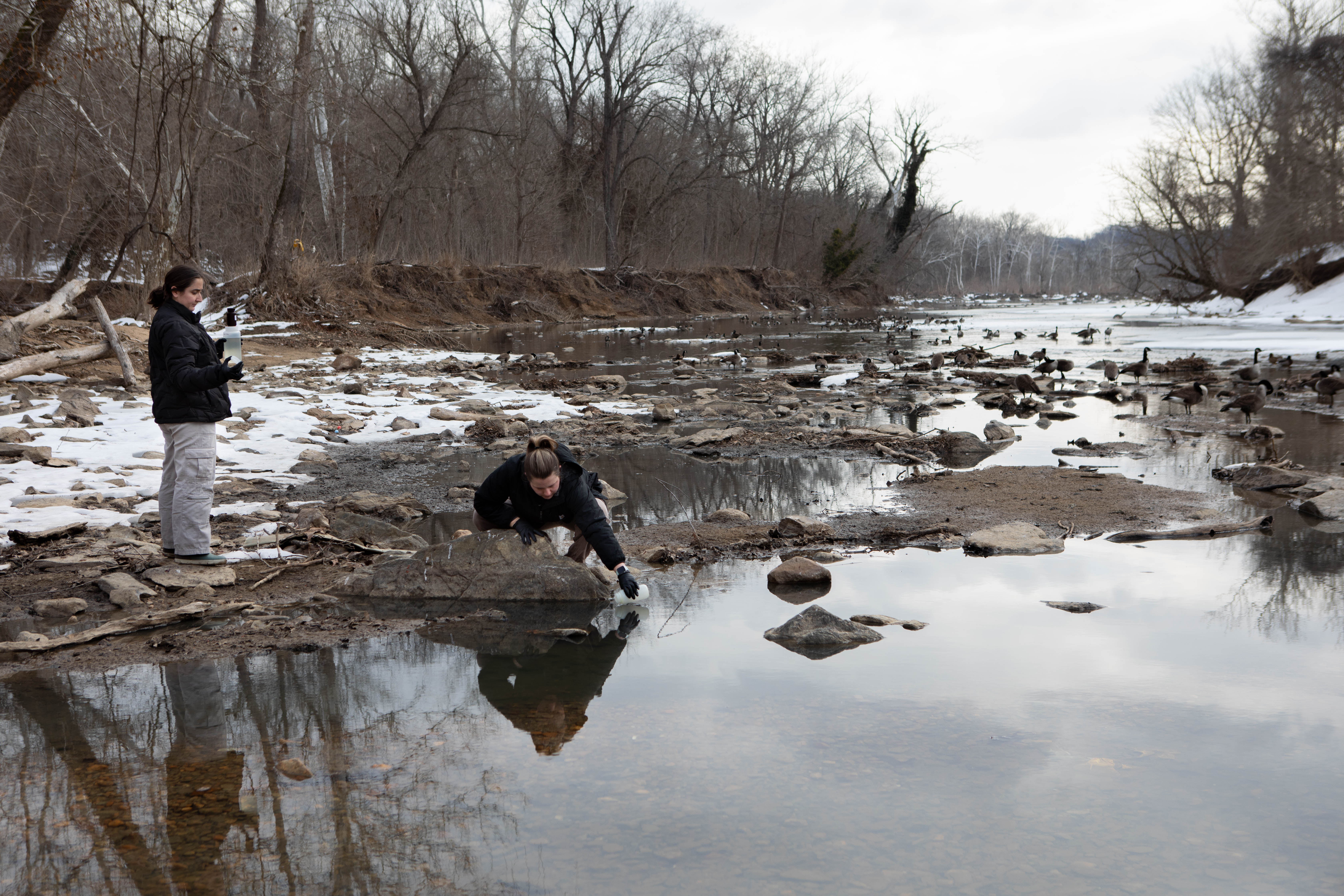
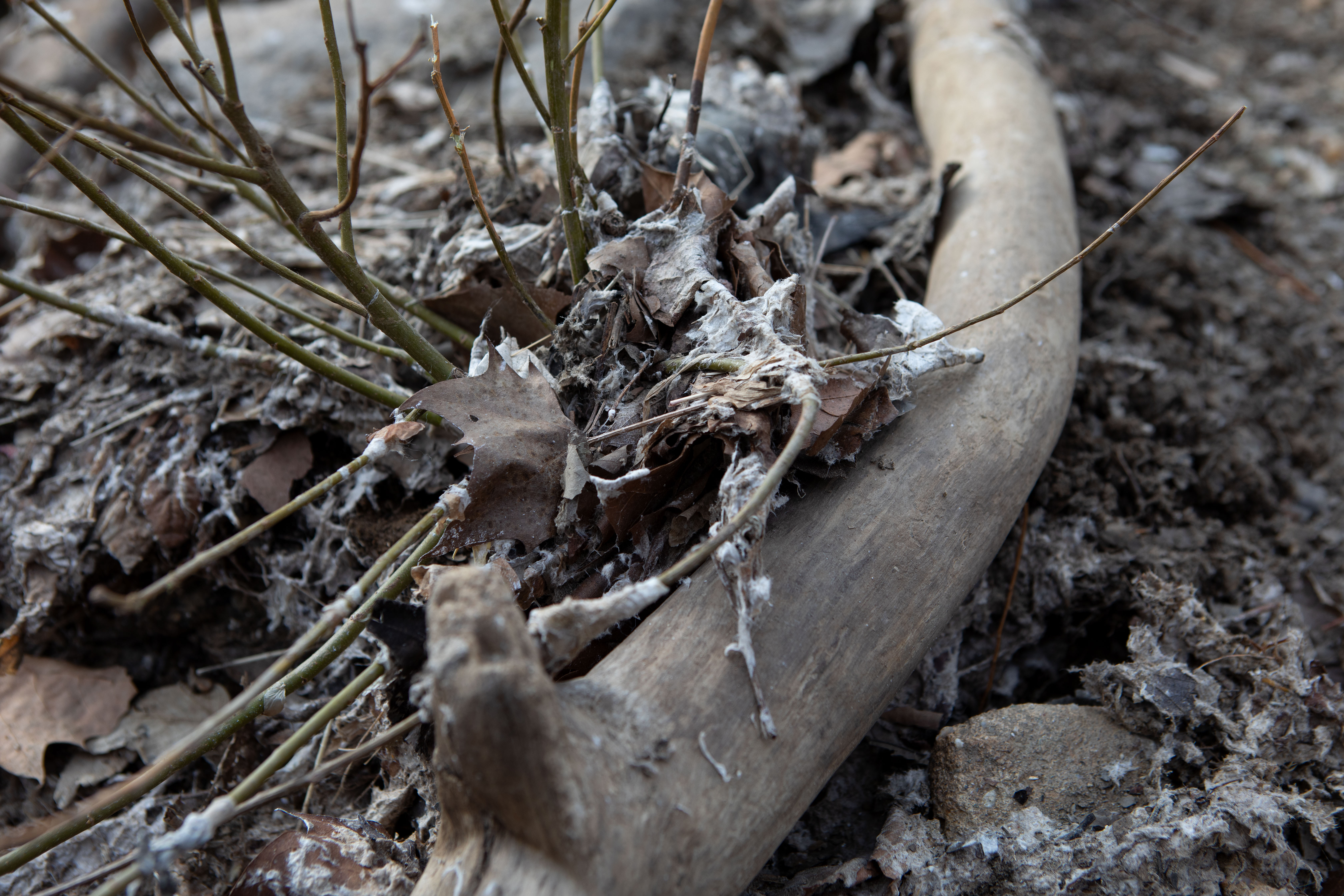
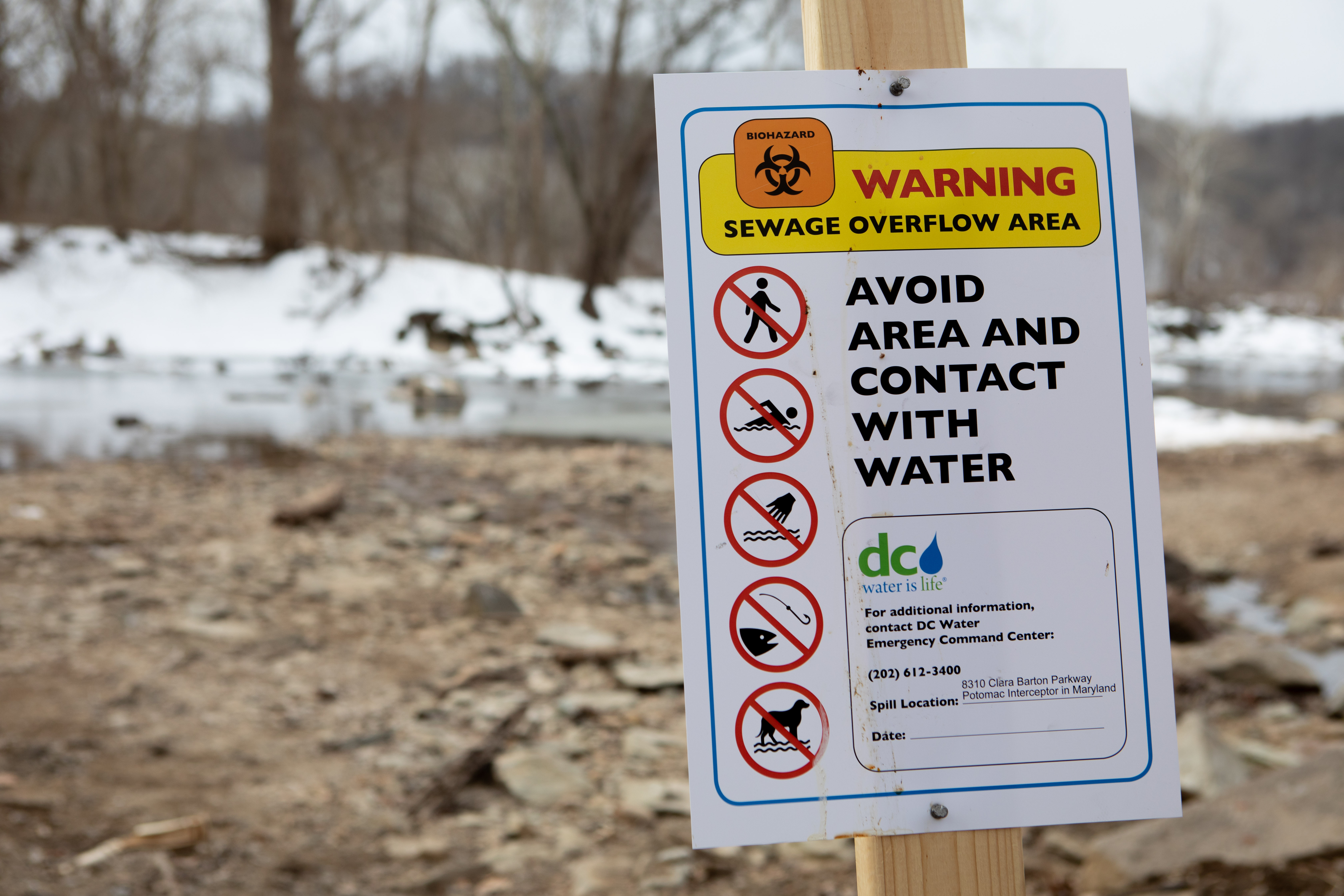
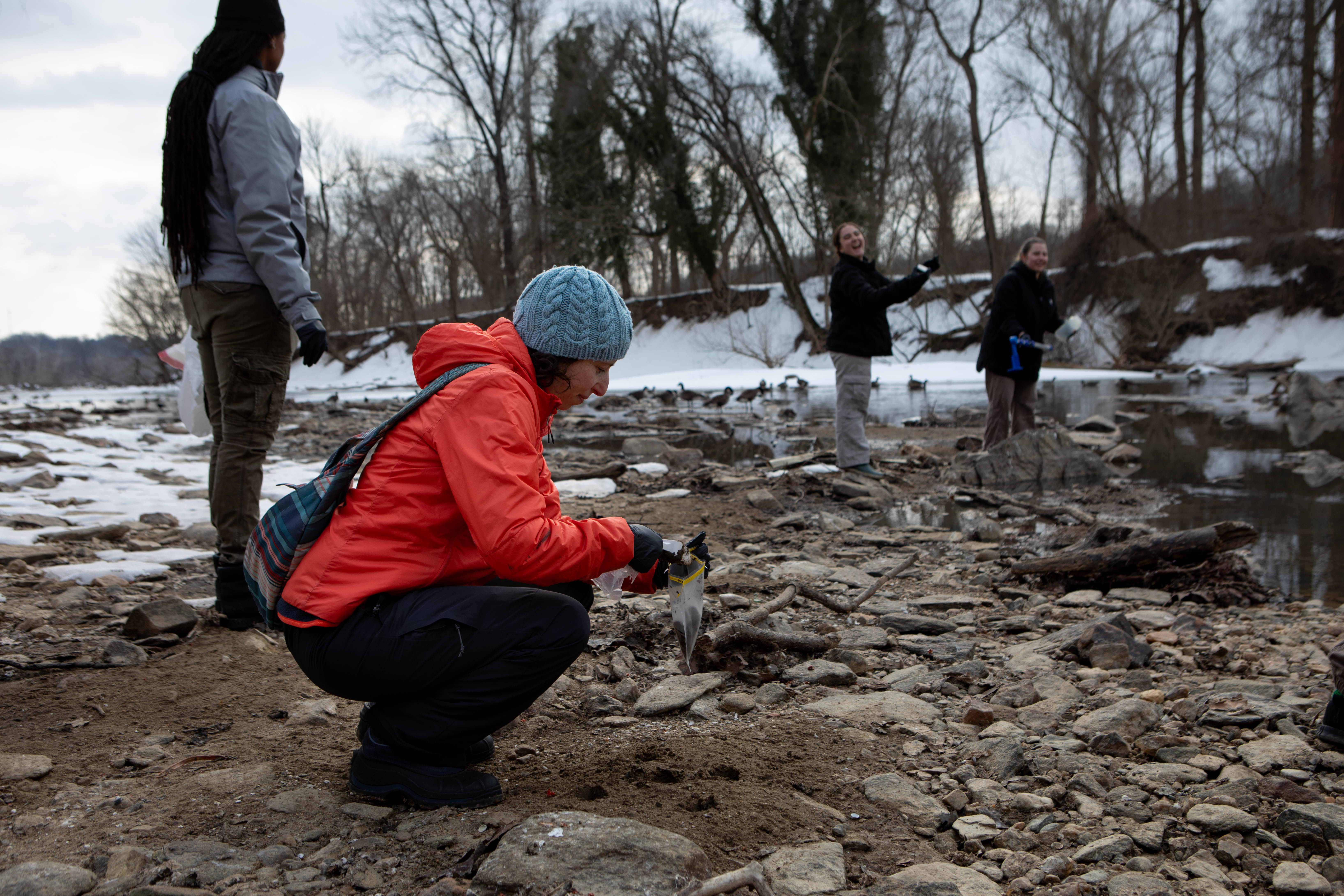
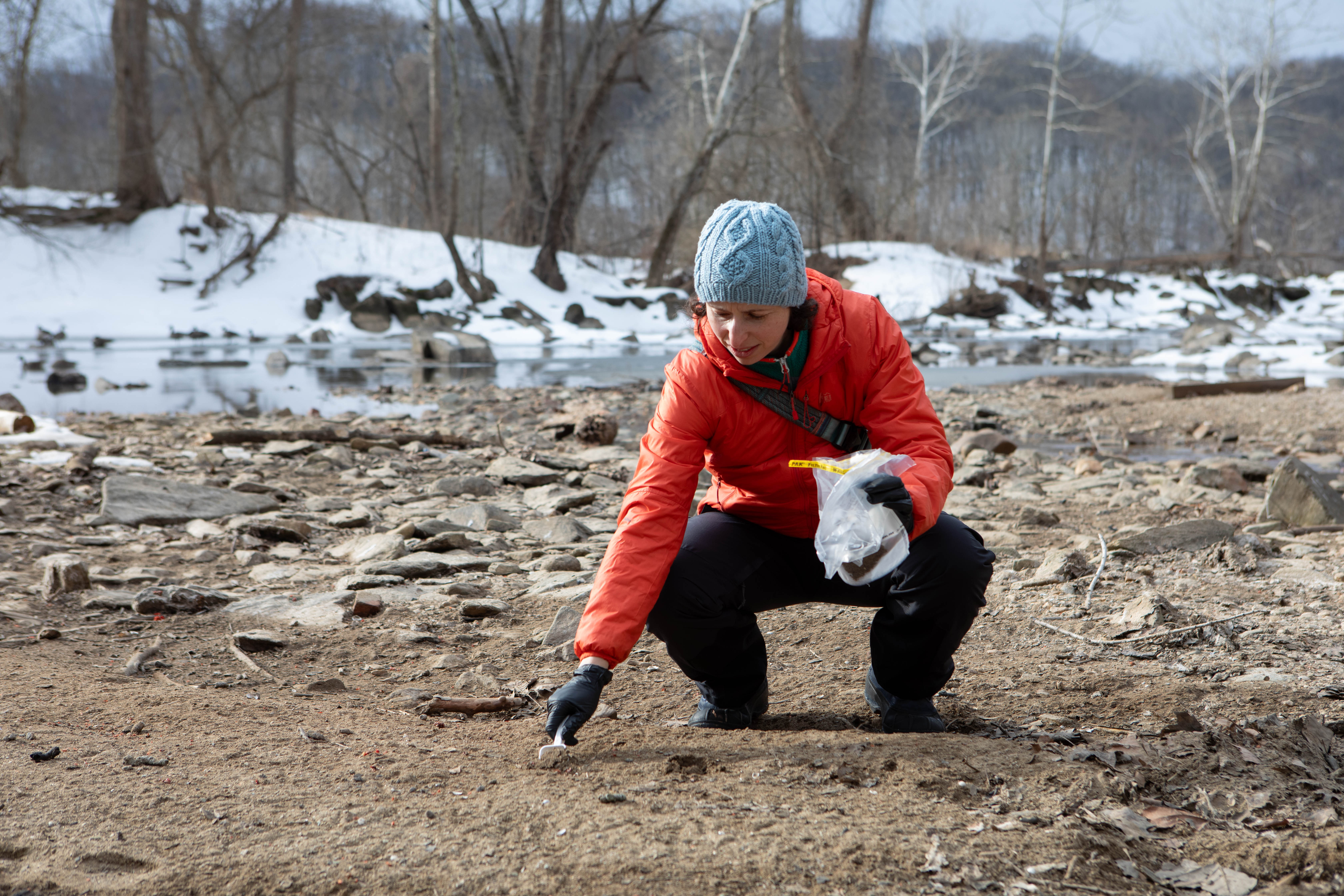
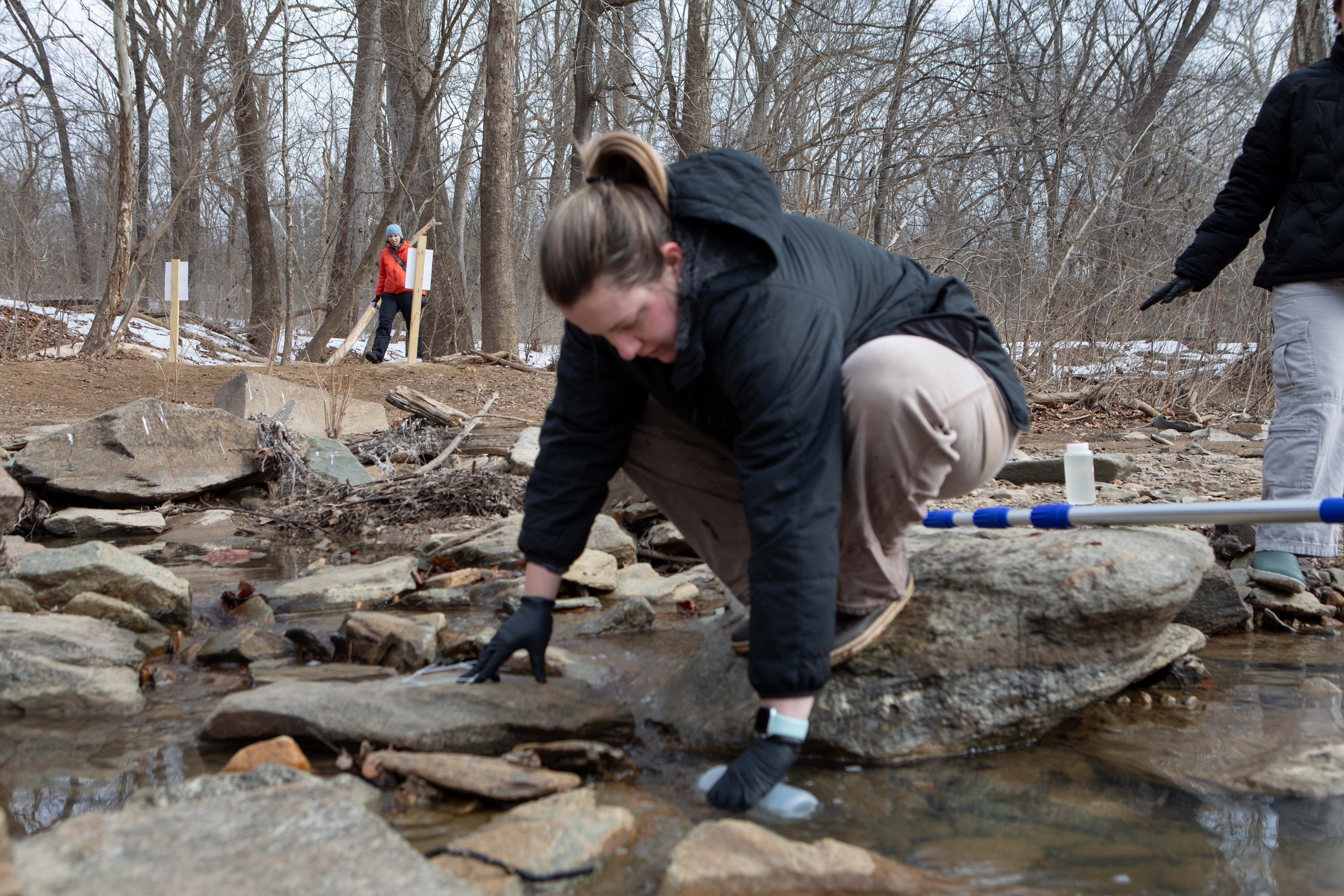
A team of researchers from the University of Maryland’s School of Public Health took water and soil samples from the Potomac River on Feb. 12 near Glen Echo, Md. In January, a broken pipeline released millions of gallons of sewage into the river the previous month, causing one of the largest wastewater spills in American history.
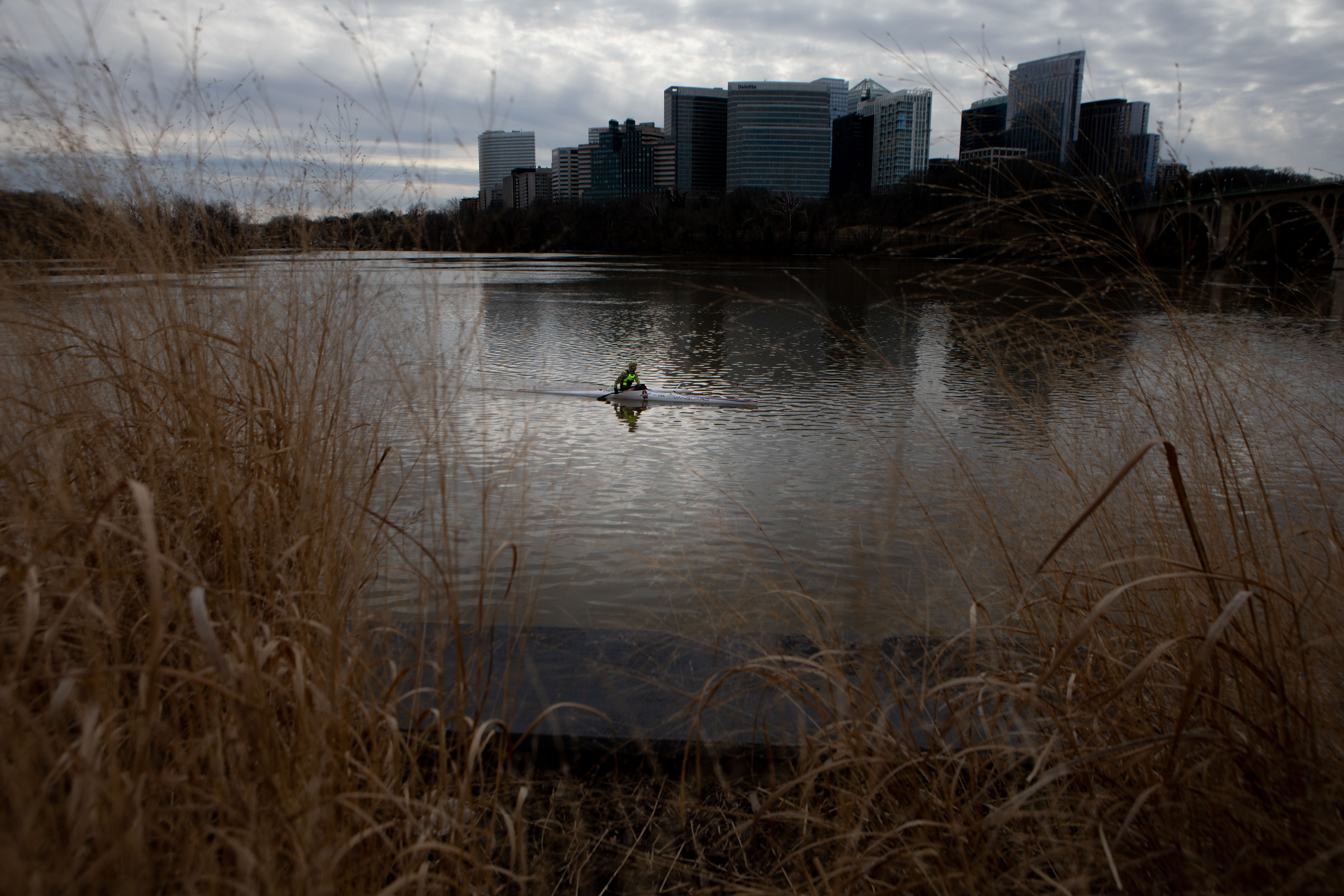
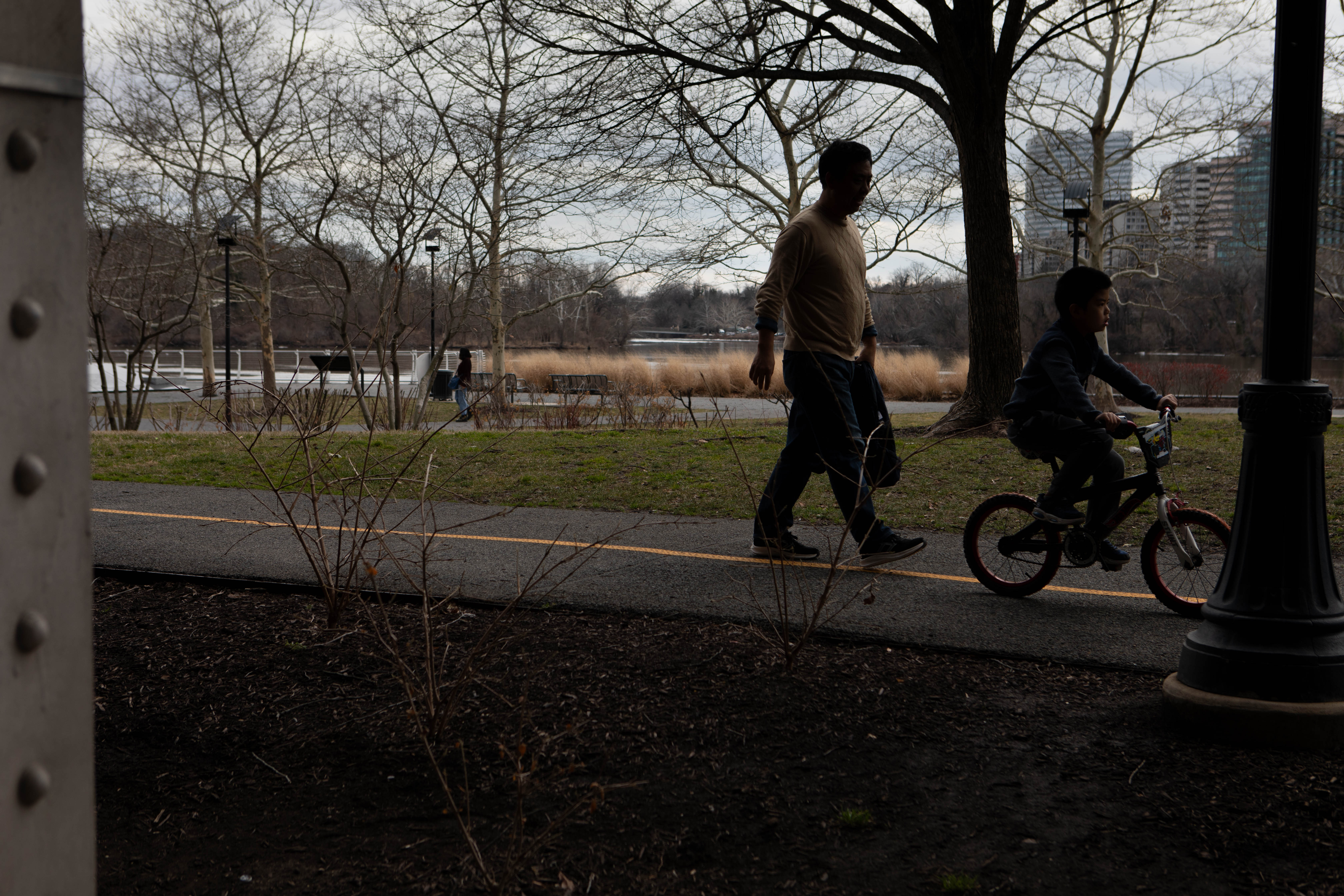
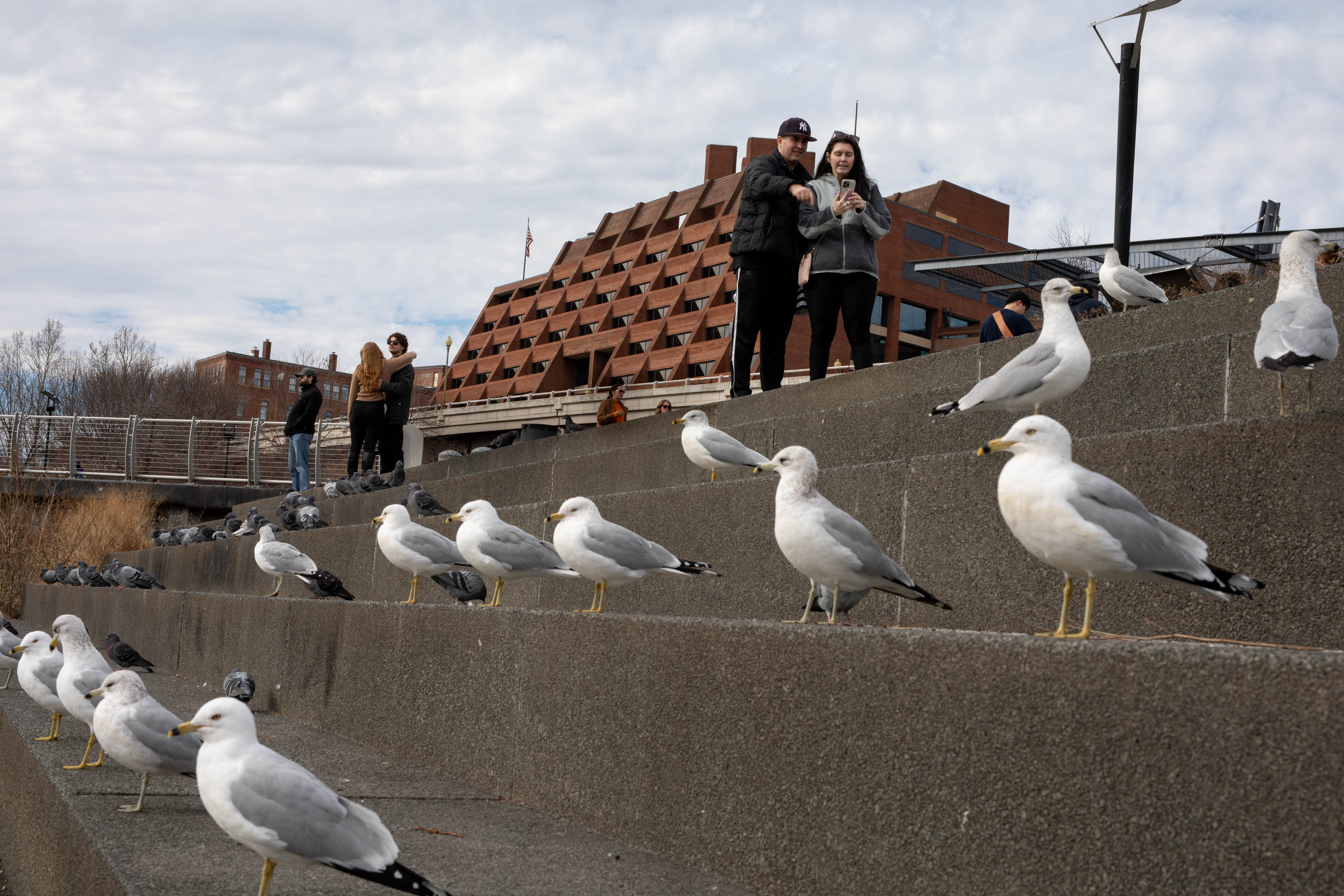
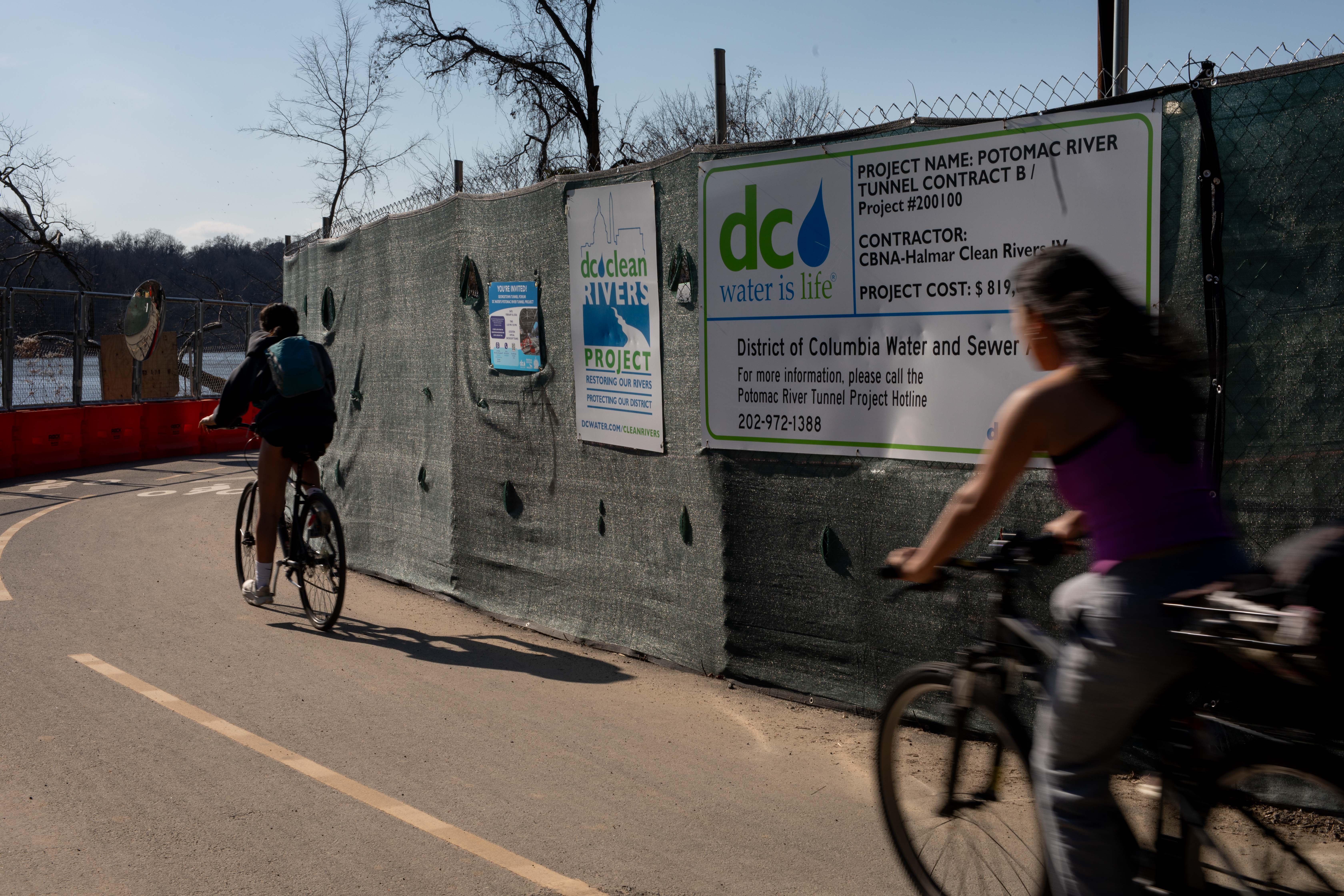
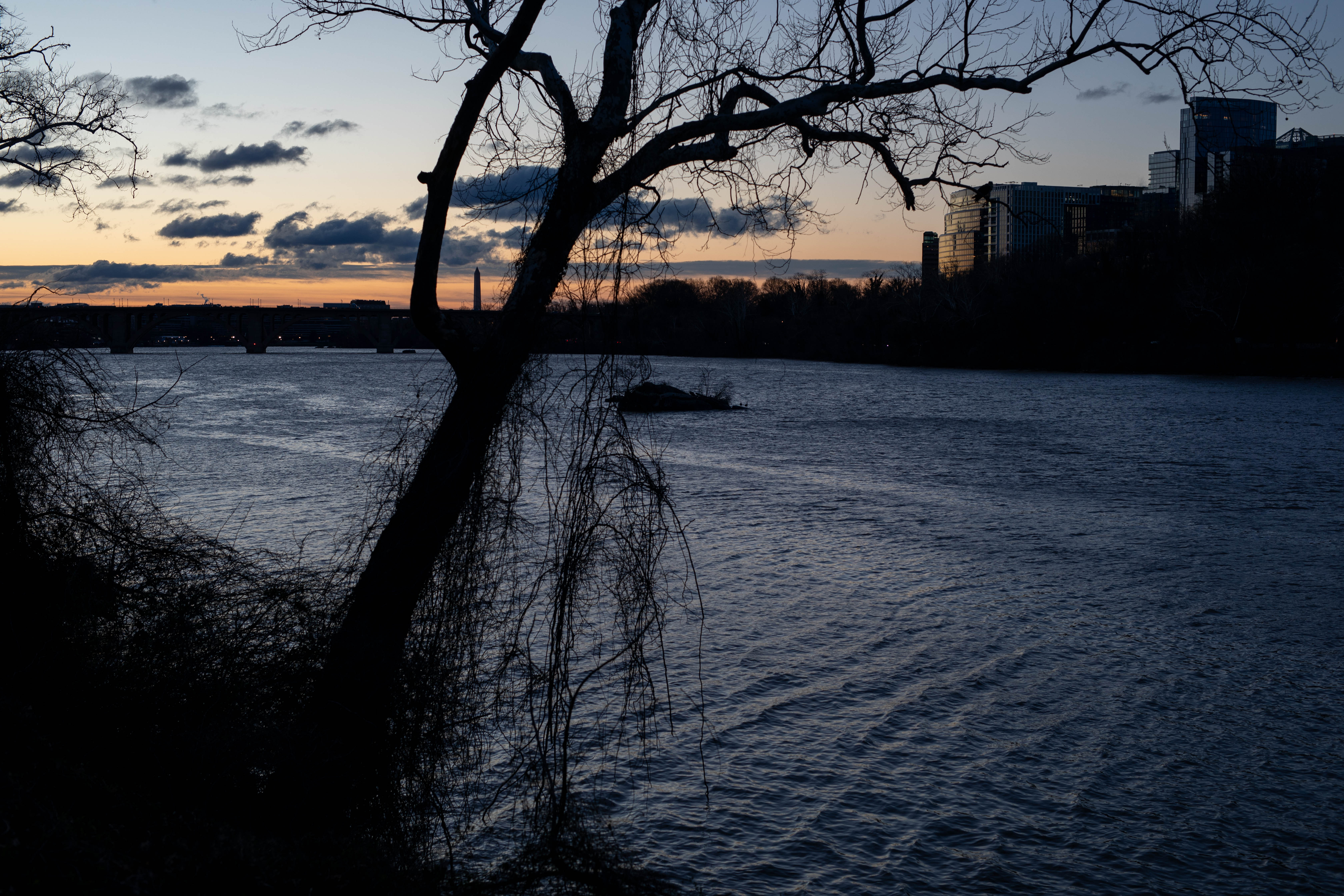
Scenes from the Potomac River Waterfront in Georgetown on Feb. 22.
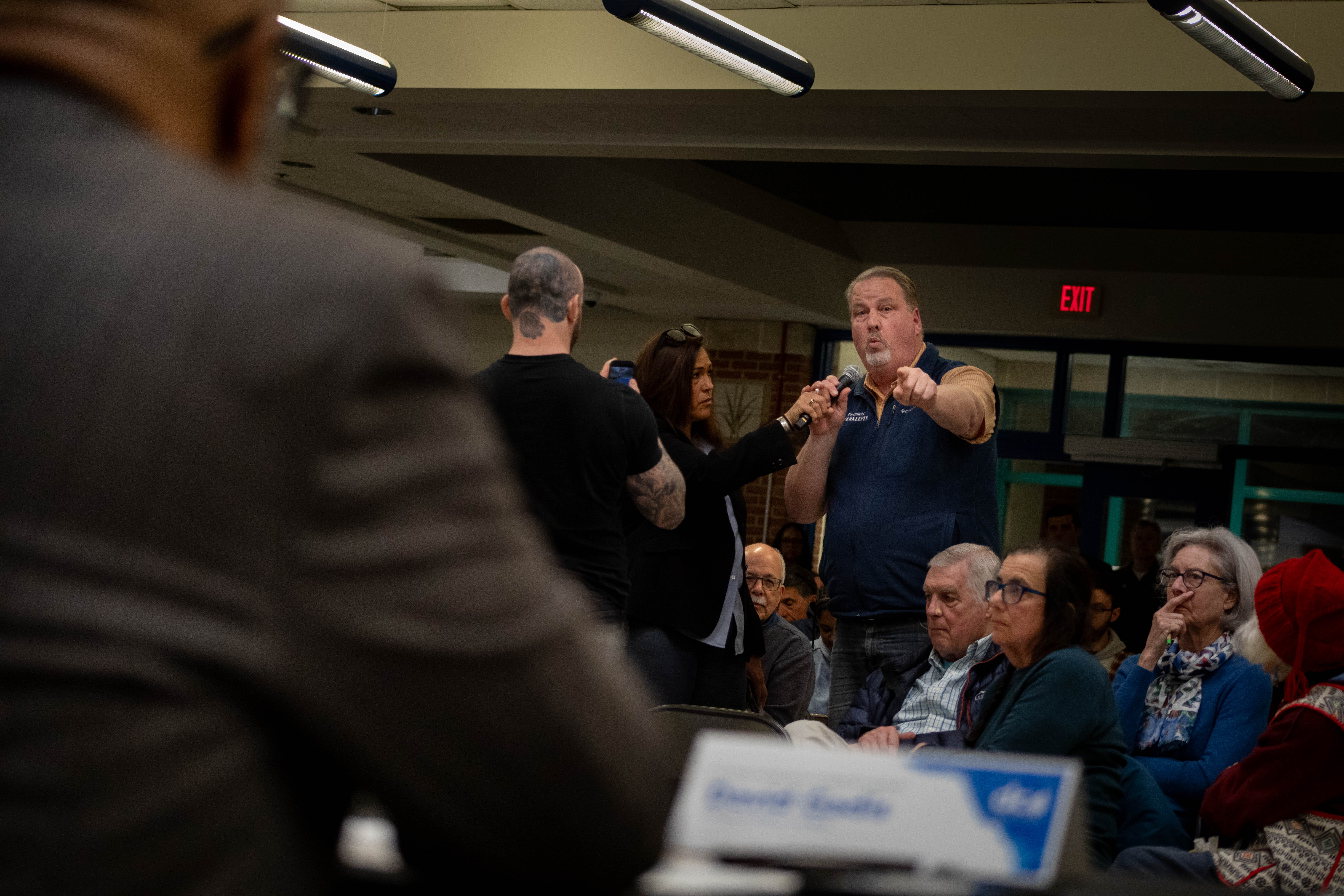
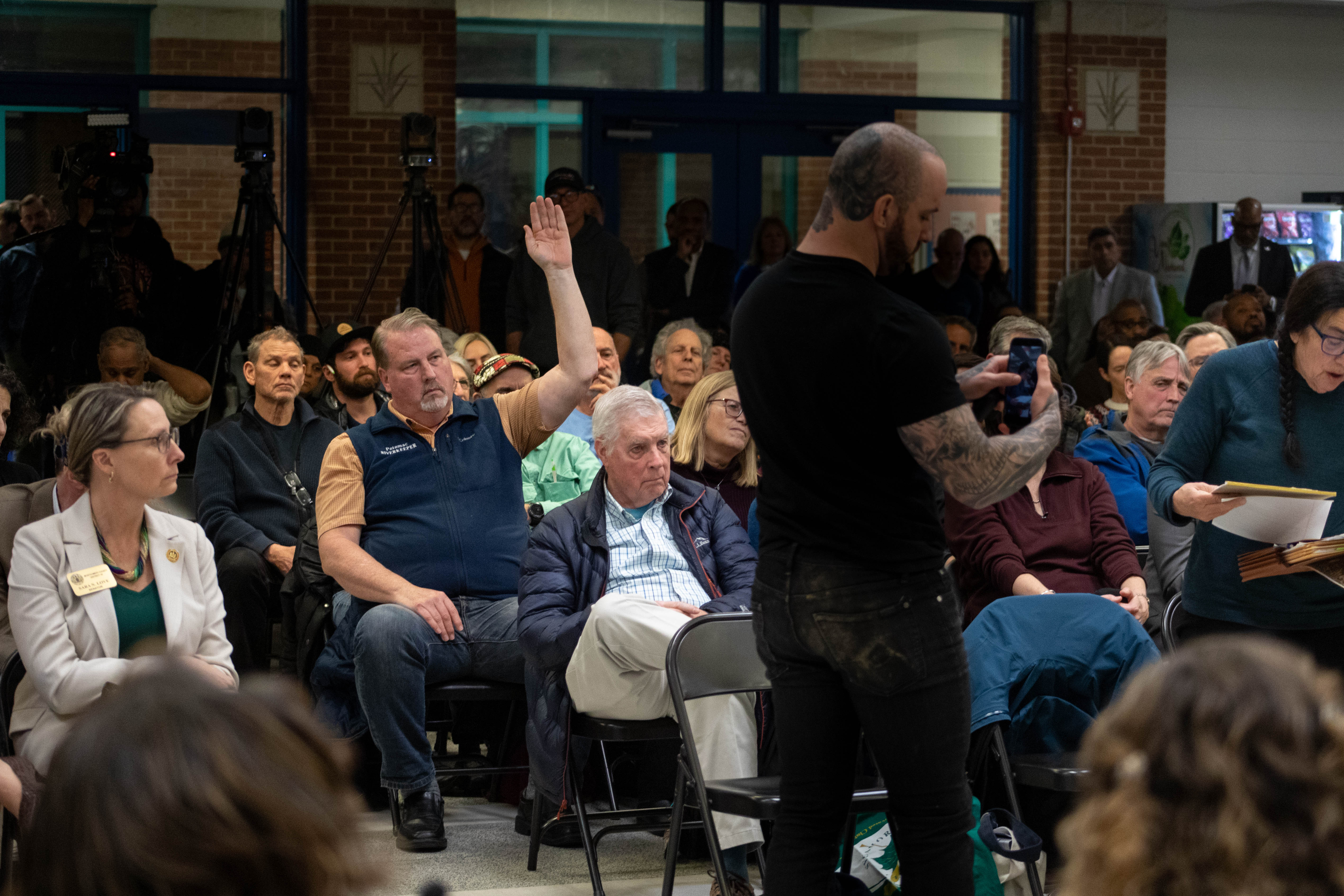
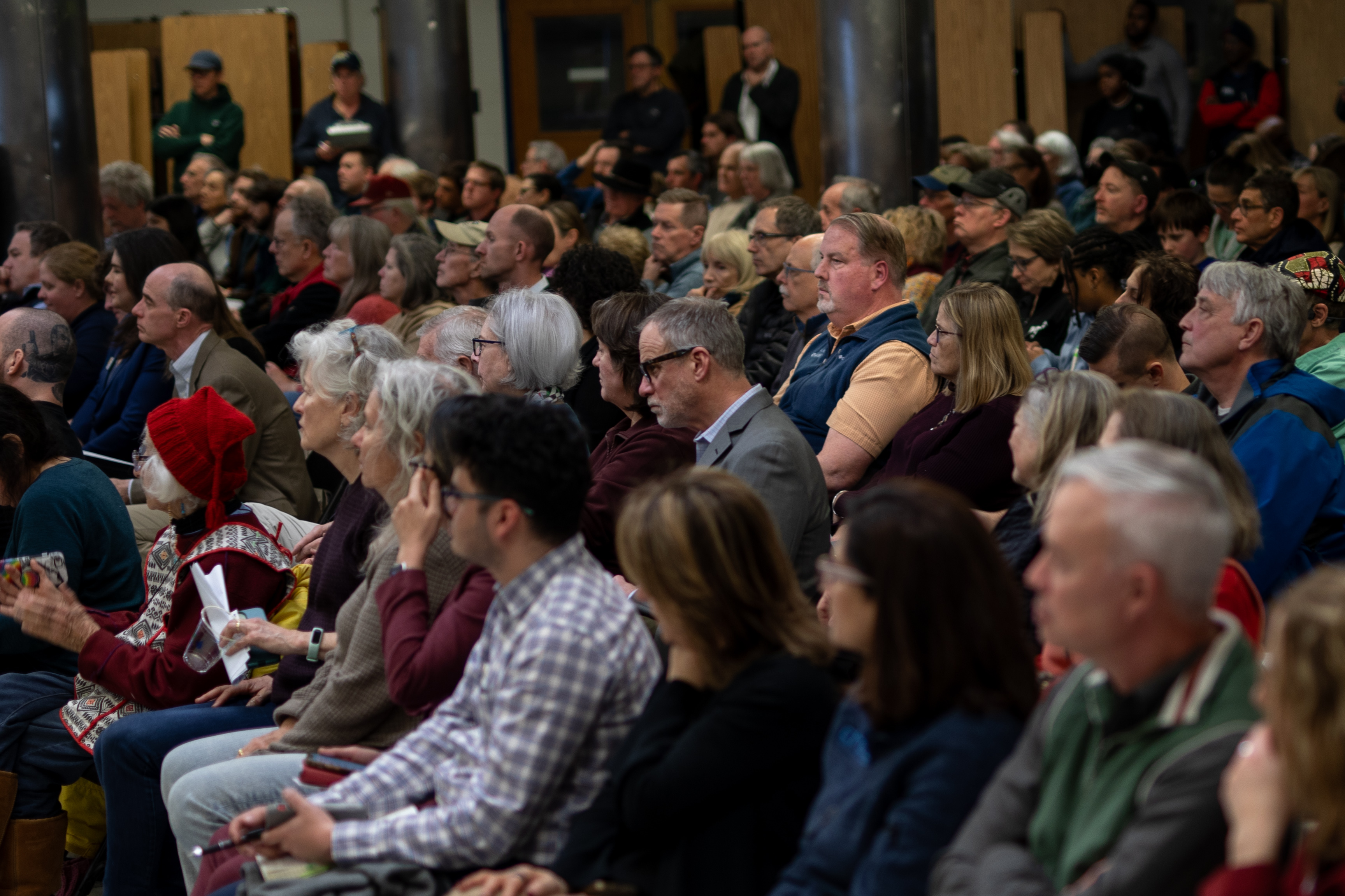
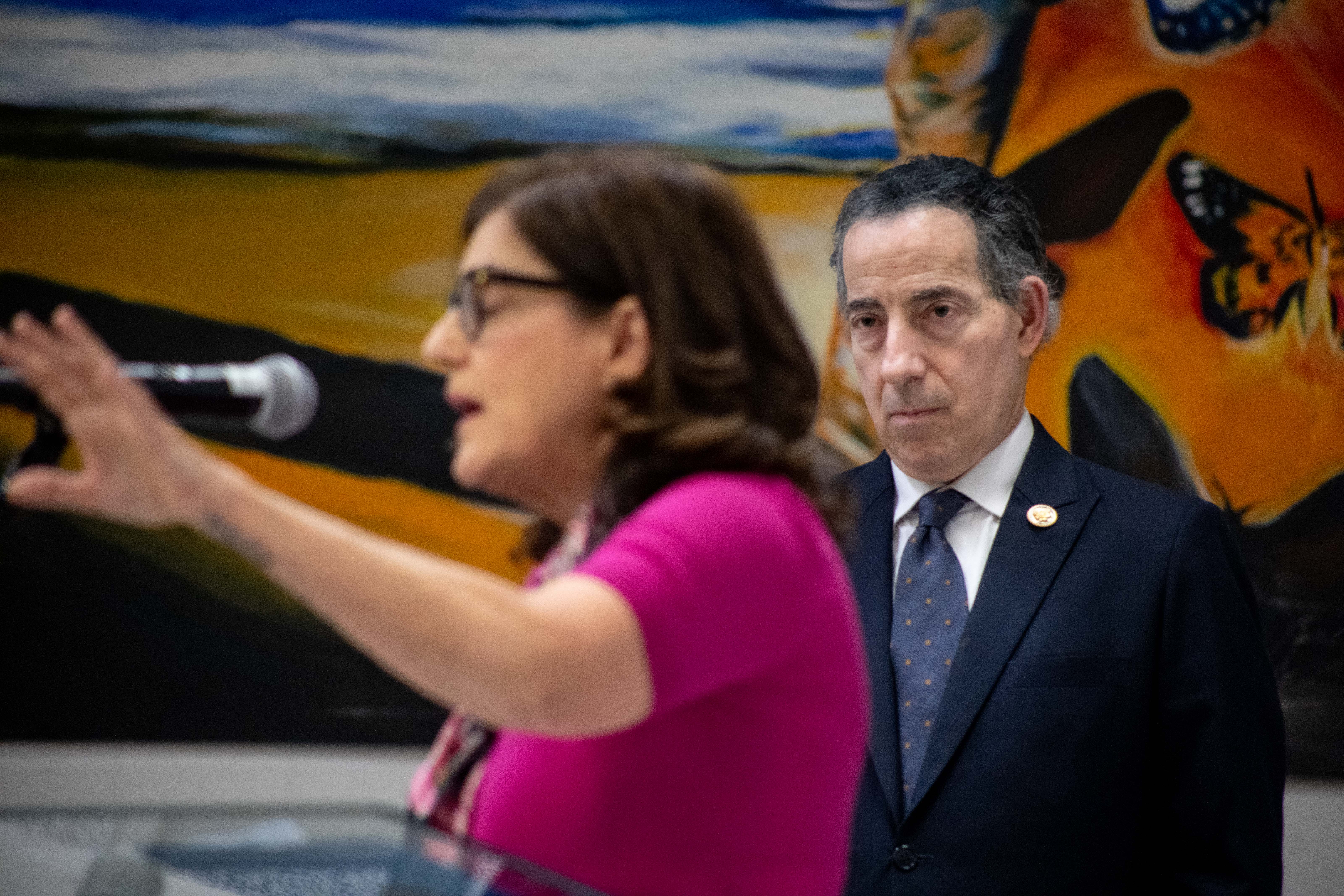
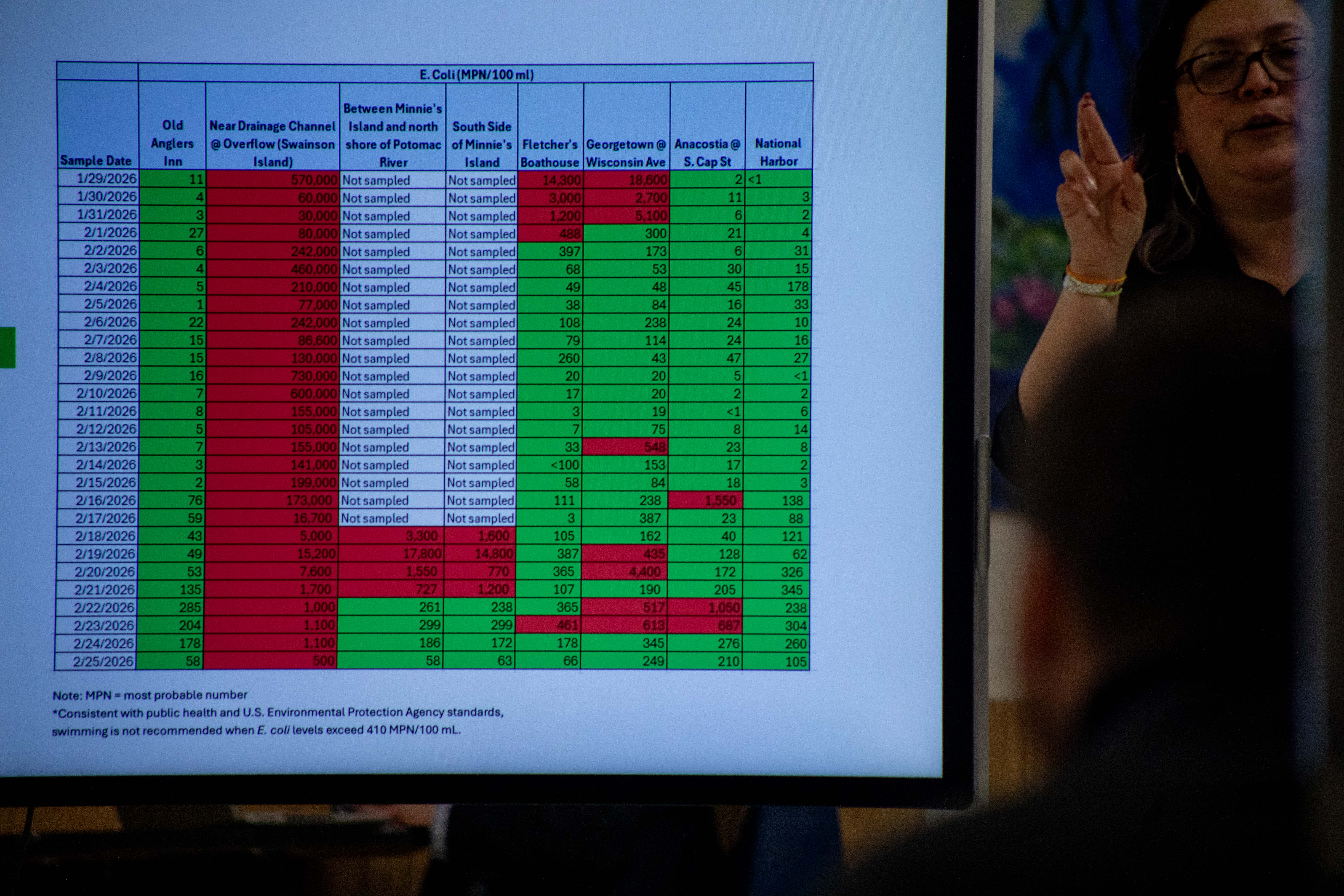
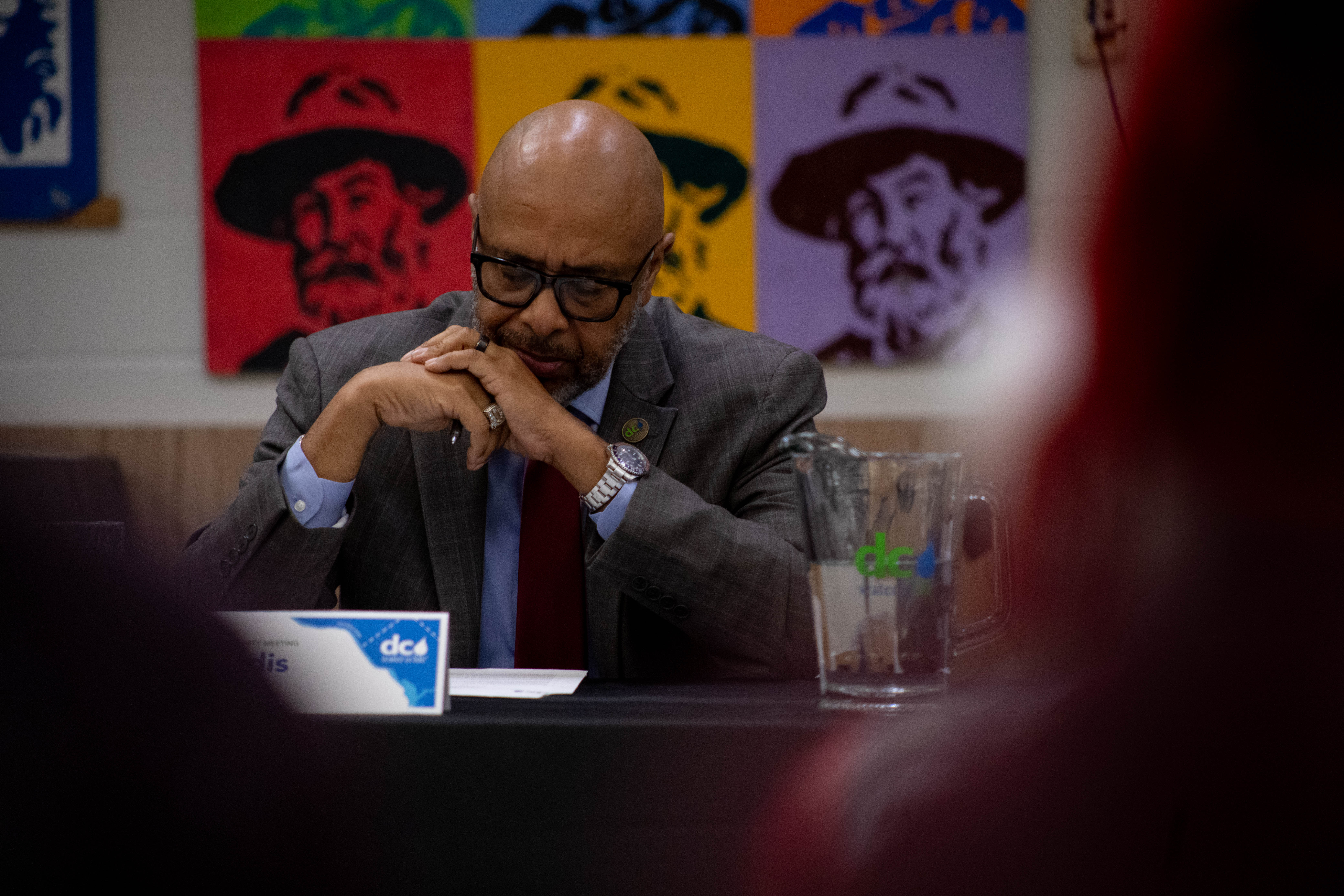
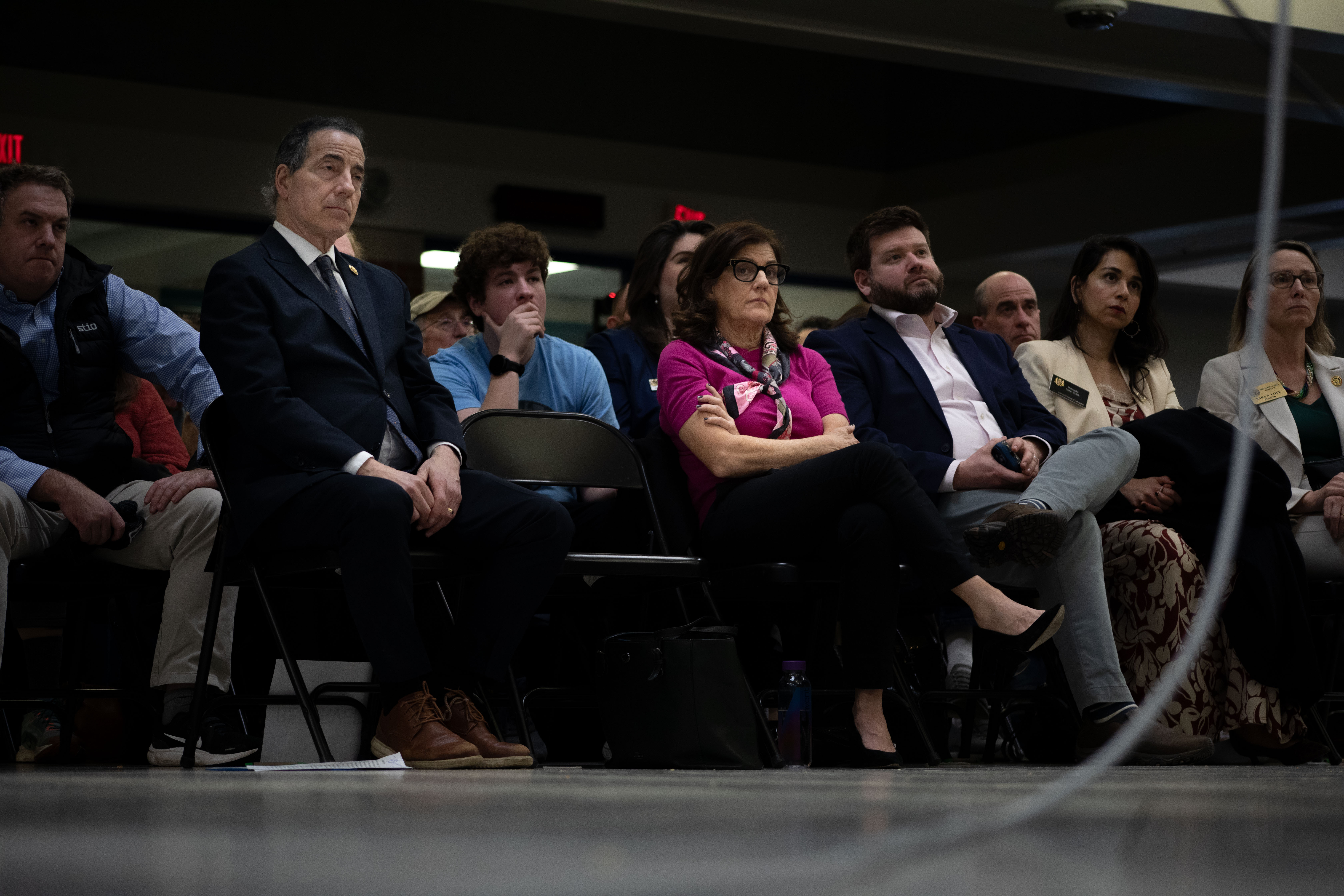
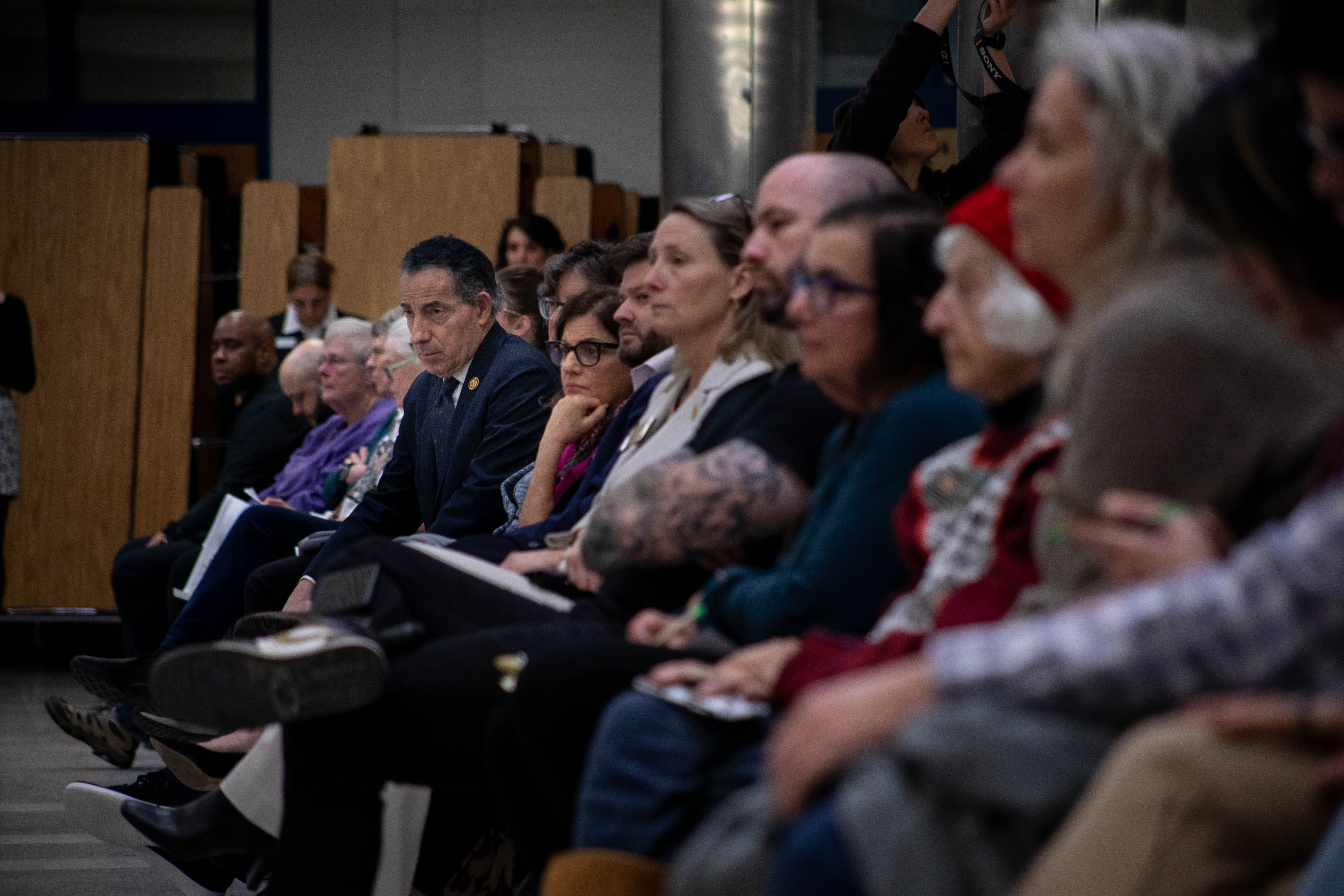
DC Water hosted a community meeting on Feb. 26 at Walt Whitman High School in Bethesda, Md. Hundreds of spectators listened to a panel of DC Water executives, local officials and elected politicians describe the circumstances leading up Potomac Interceptor collapse and outline plans to repair and proactively maintain the pipeline. Some guests, like Dean Naujoks of Potomac Riverkeeper, took a confrontational tone during the question-and-answer segment of the meaning, accusing DC Water of culpability for an ecological disaster. DC Water officials said they had not yet discovered the root cause of the Jan. 19 collapse.
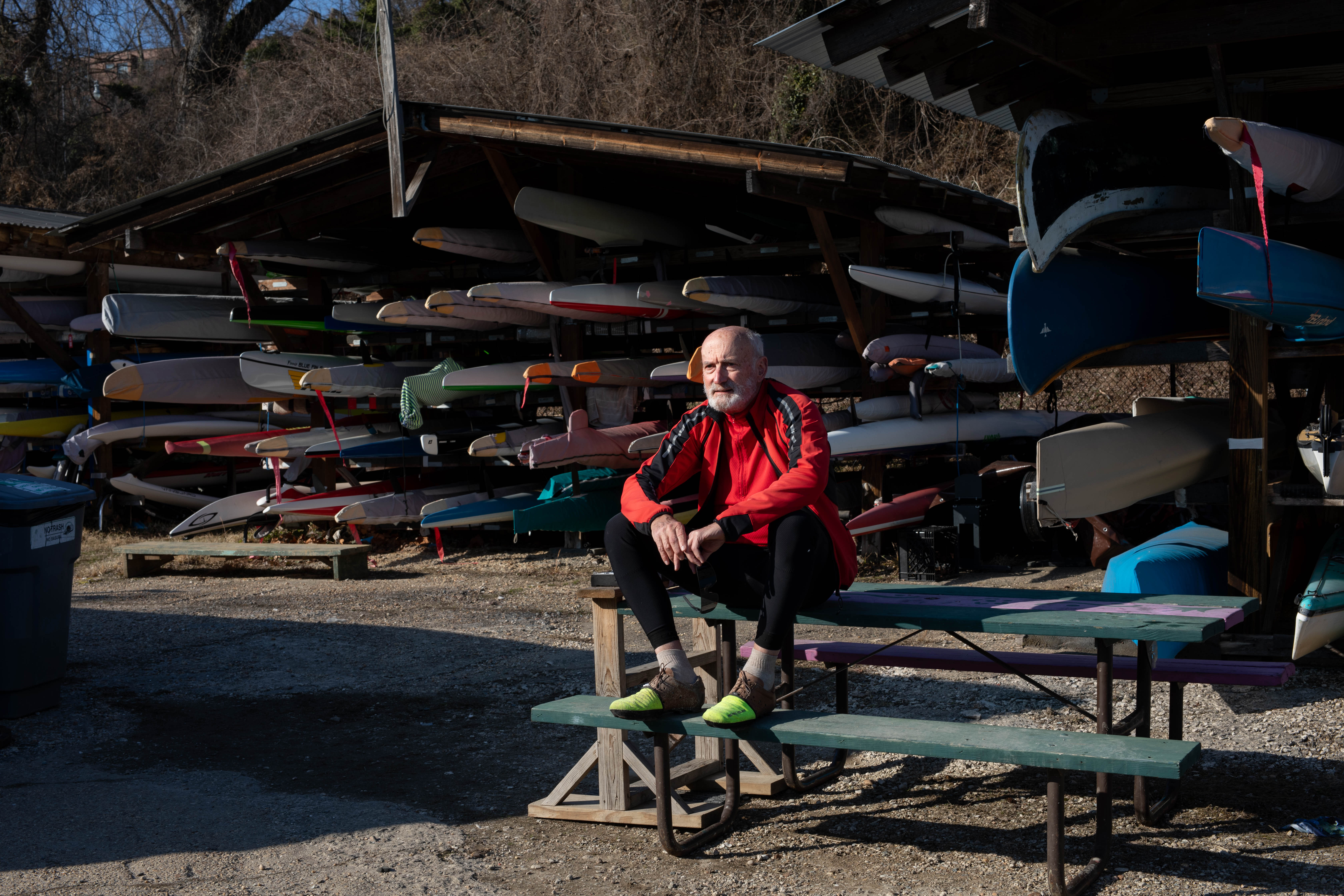
Washington resident and active Washington Canoe Club member David Cottingham, dressed in biking clothes, poses for a portrait at the club’s property on the Potomac River waterfront near Georgetown. Cottingham said he is on the river two or three times a week during the warmer months, and sometimes swims in the river from the club’s dock. Now, he said, he won’t return to the water until he is sure it is safe to touch. Cottingham is also a member of the Canoe Cruisers Association, which hosts the longest running annual whitewater canoe race in the United States between Great Falls and Sycamore Island. That race’s immediate future, he said, is uncertain.
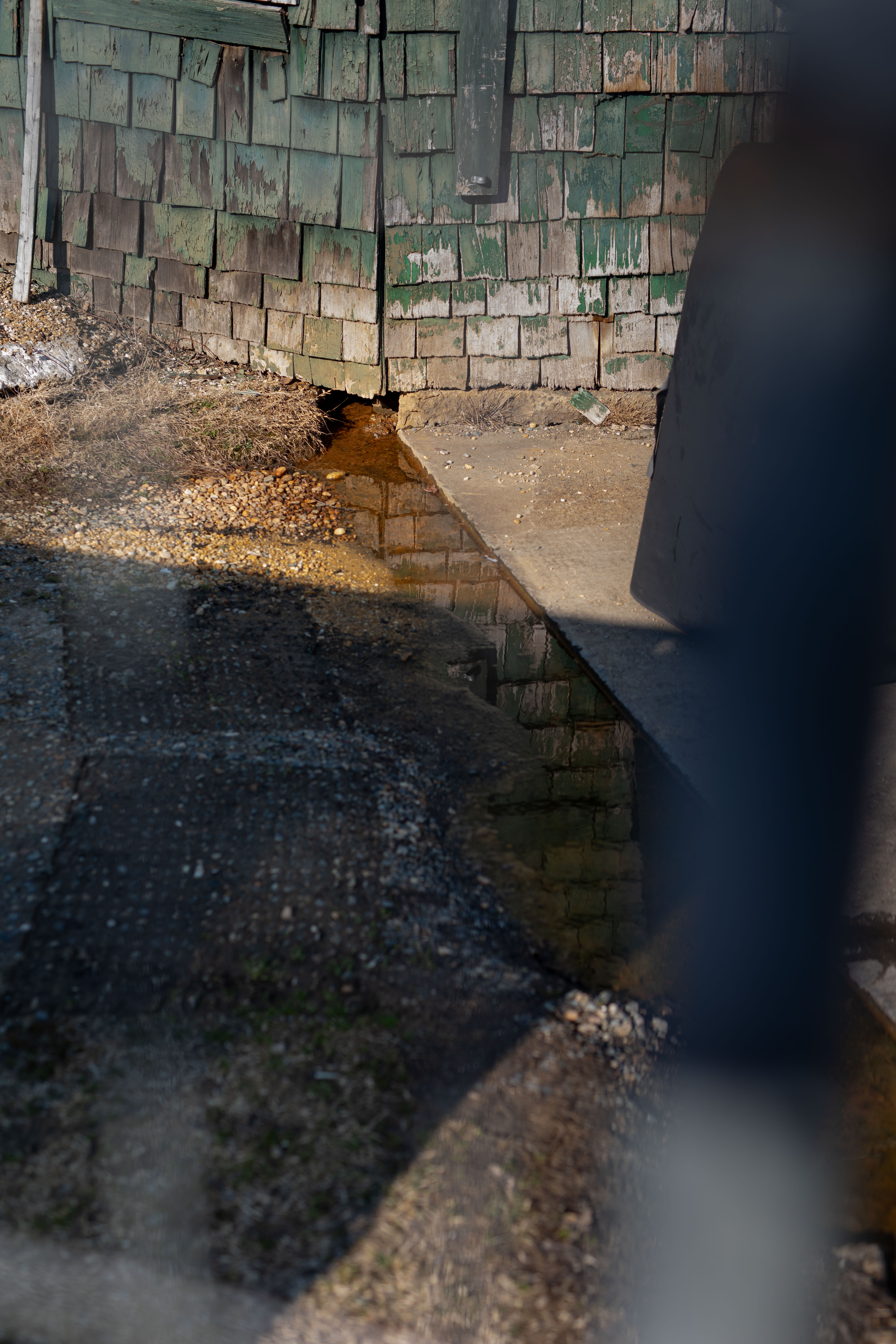
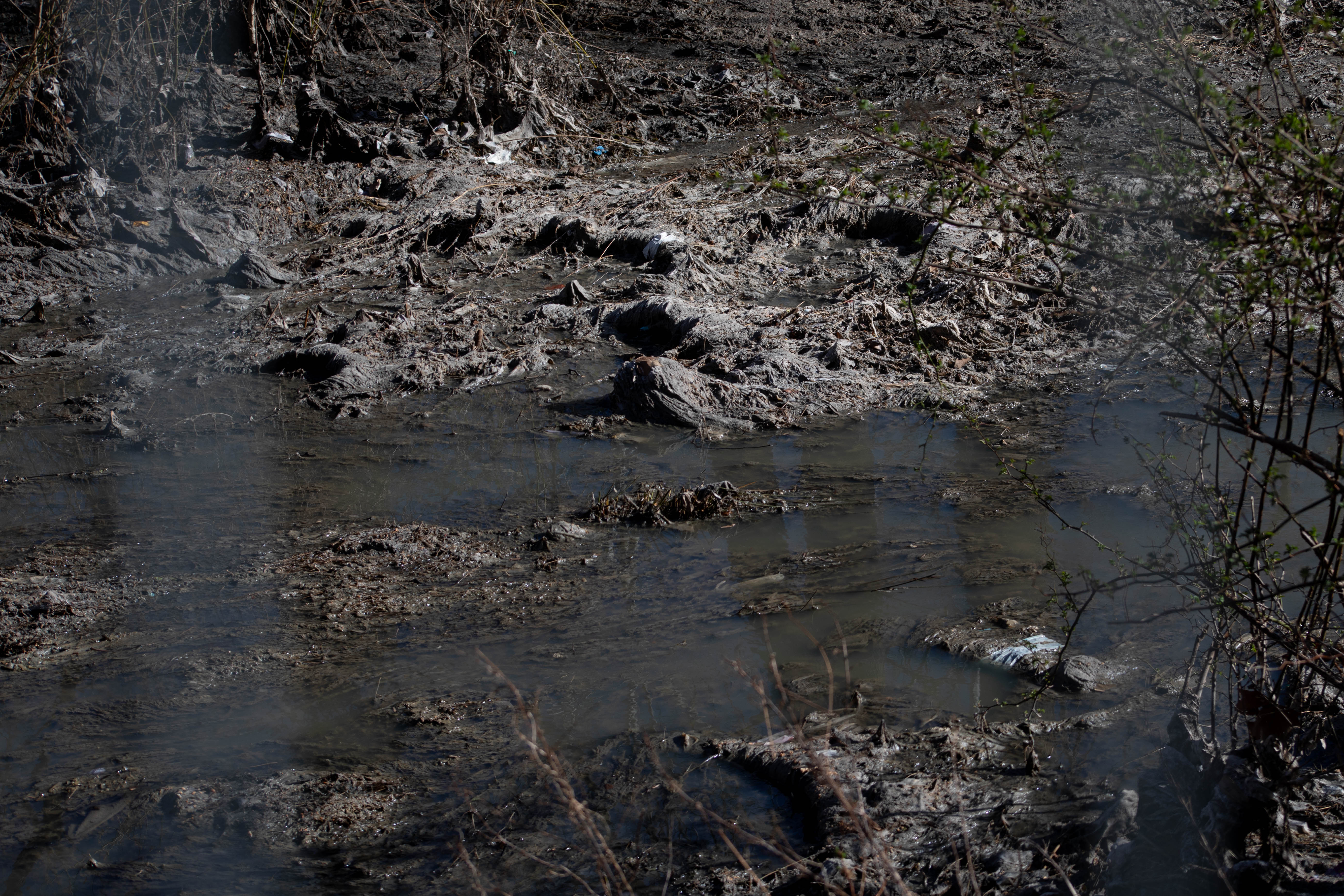
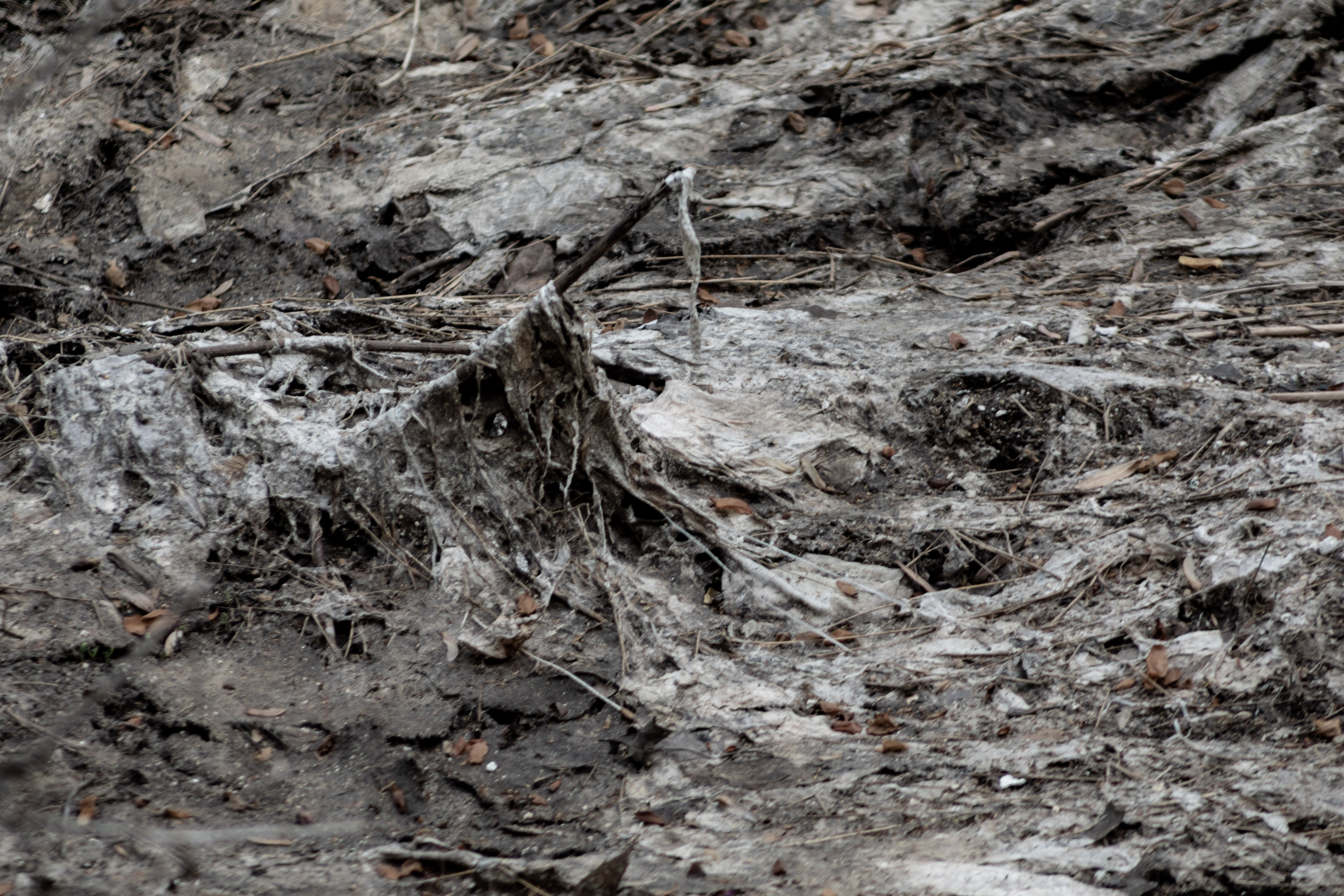
Untreated sewage fills the Chesapeake and Ohio Canal near Cabin John, Md., on Tuesday, March 17, 2026. A sewage pipeline known as the Potomac Interceptor burst near Cabin John on Jan. 19, releasing millions of gallons of sewage into the Potomac River and creating the largest wastewater spill in American history. DC Water, Washington’s water utility, redirected the flow away from the river into the canal until March 15.
District Angling
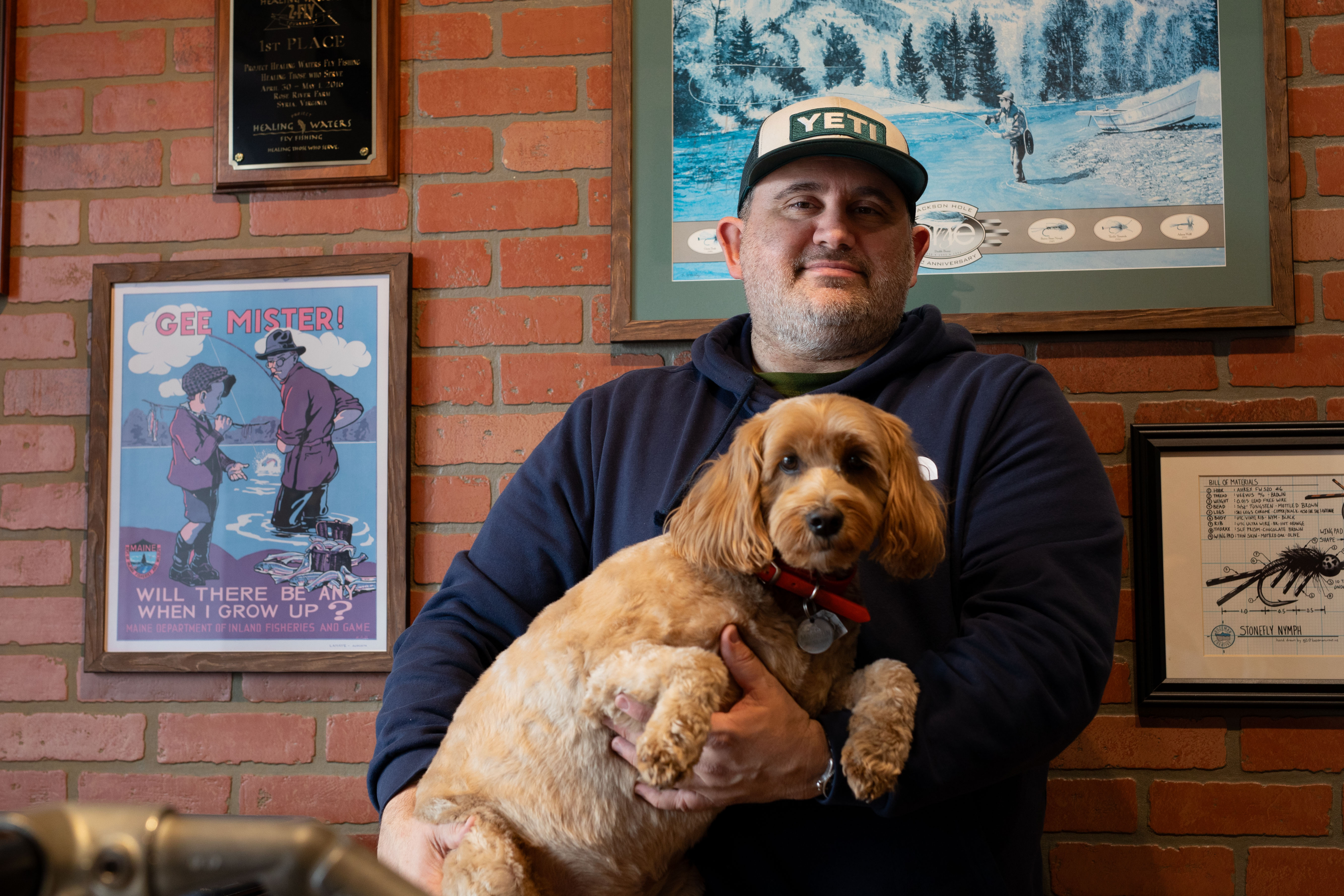
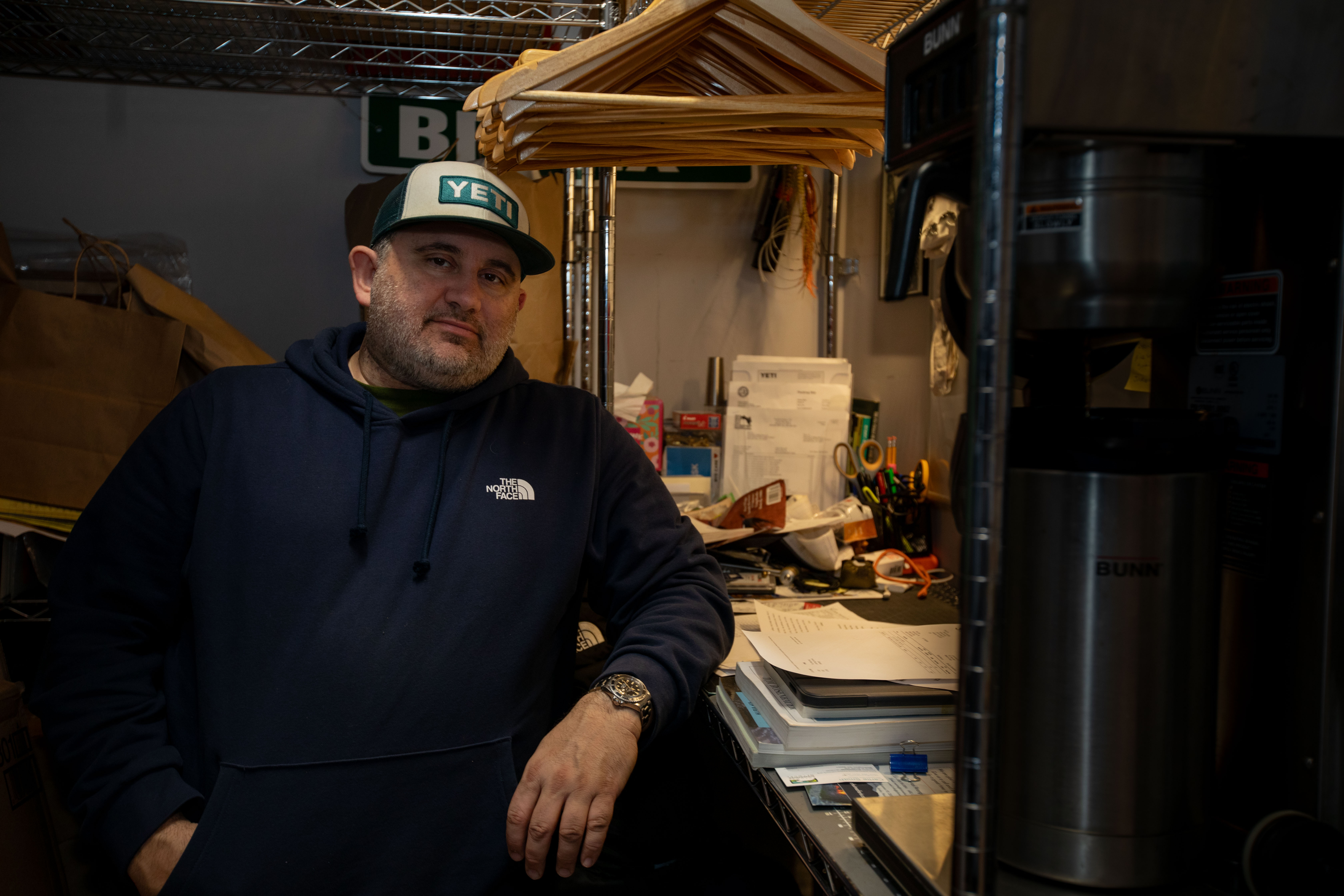
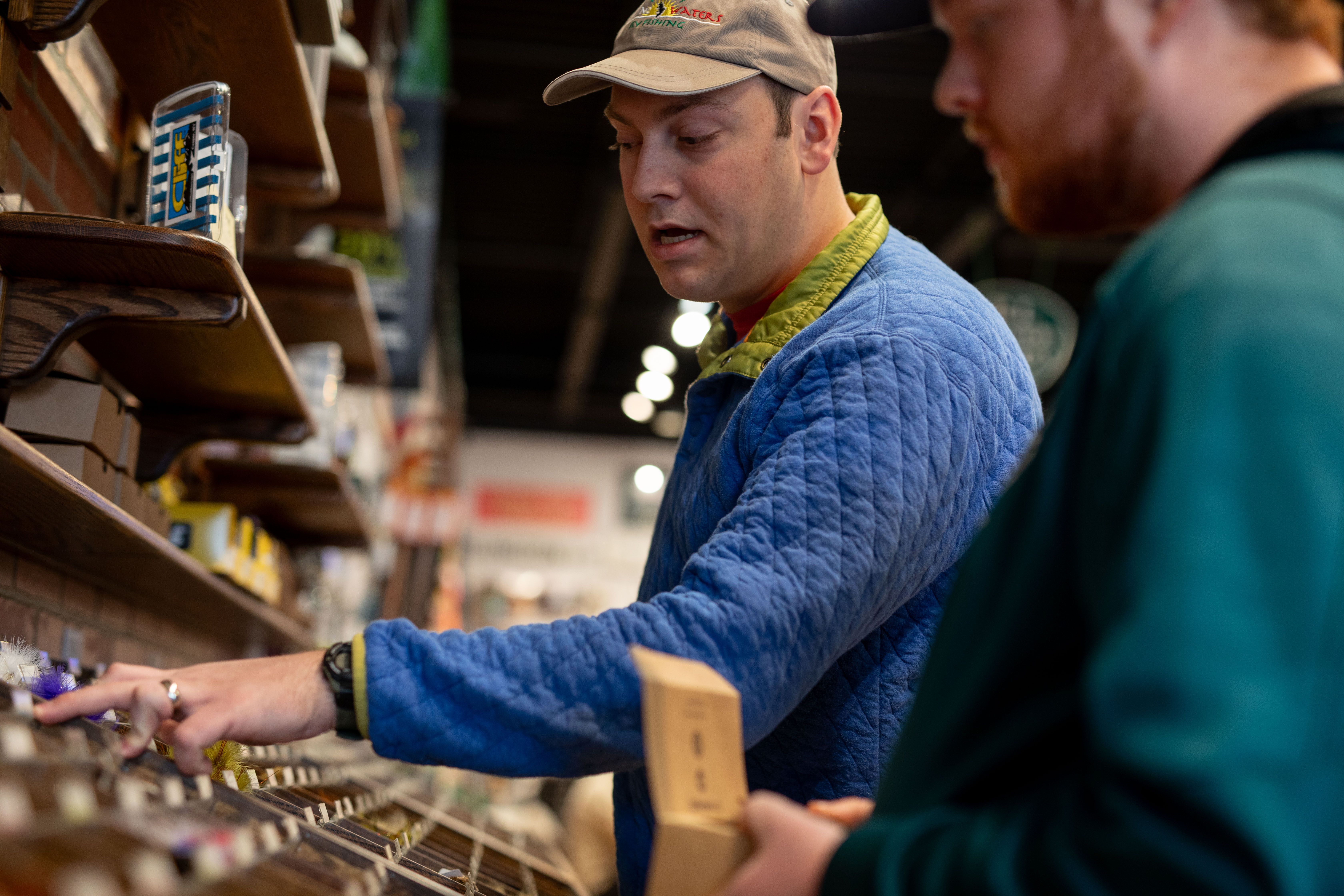
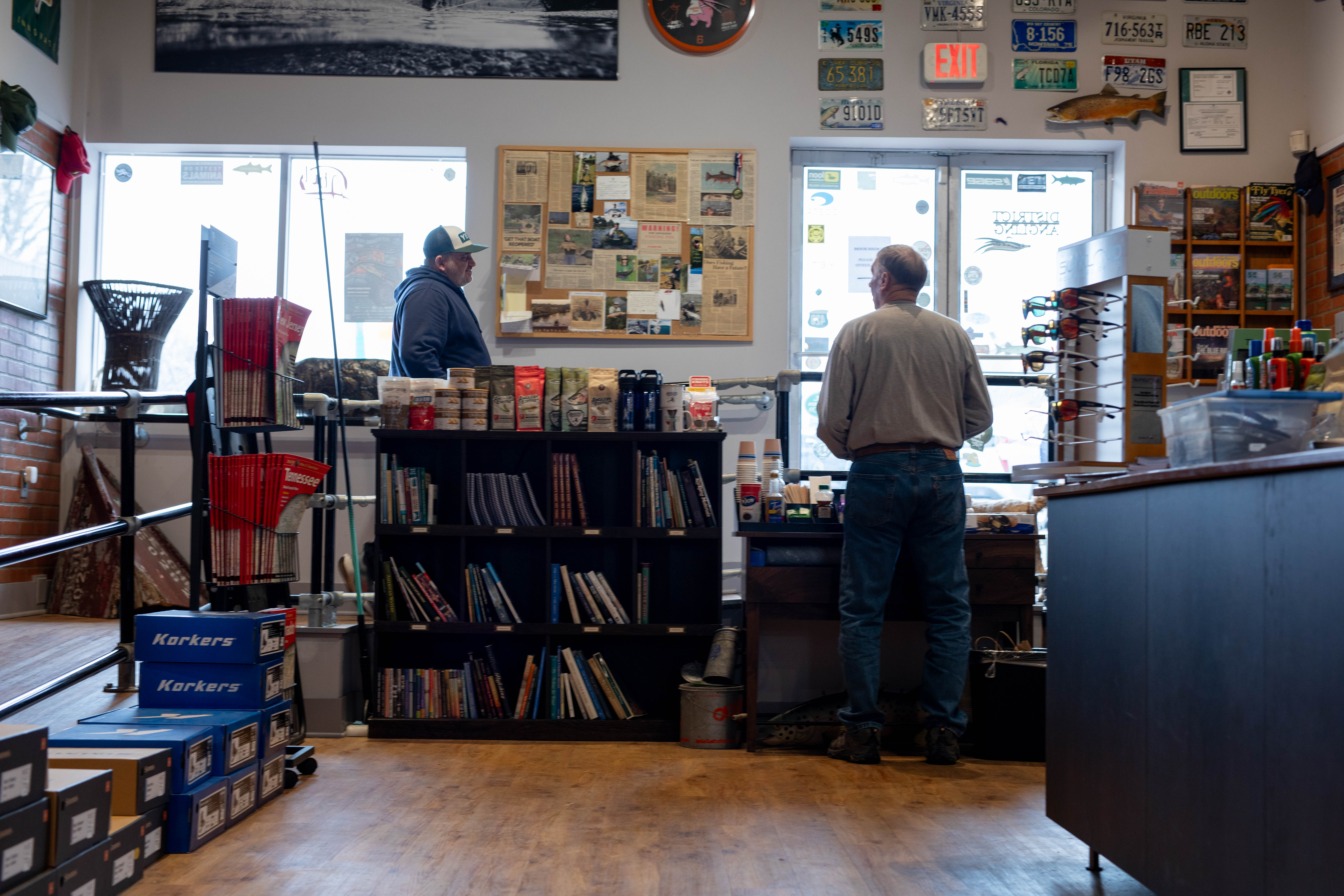
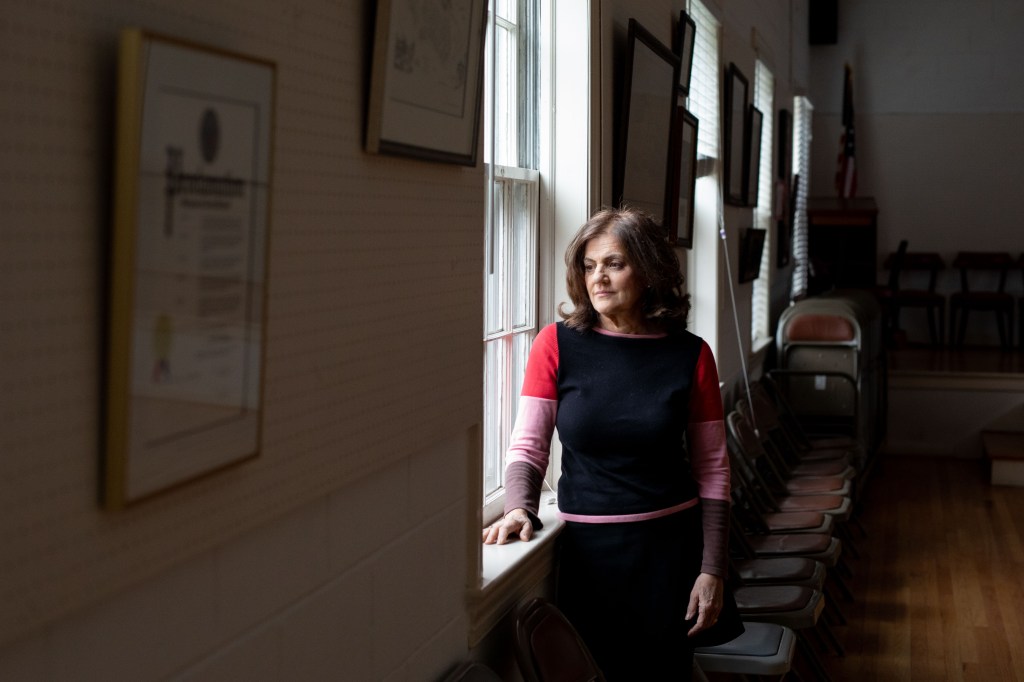
Dia Costello, mayor of Glen Echo, Md., poses for a portrait in her town hall.
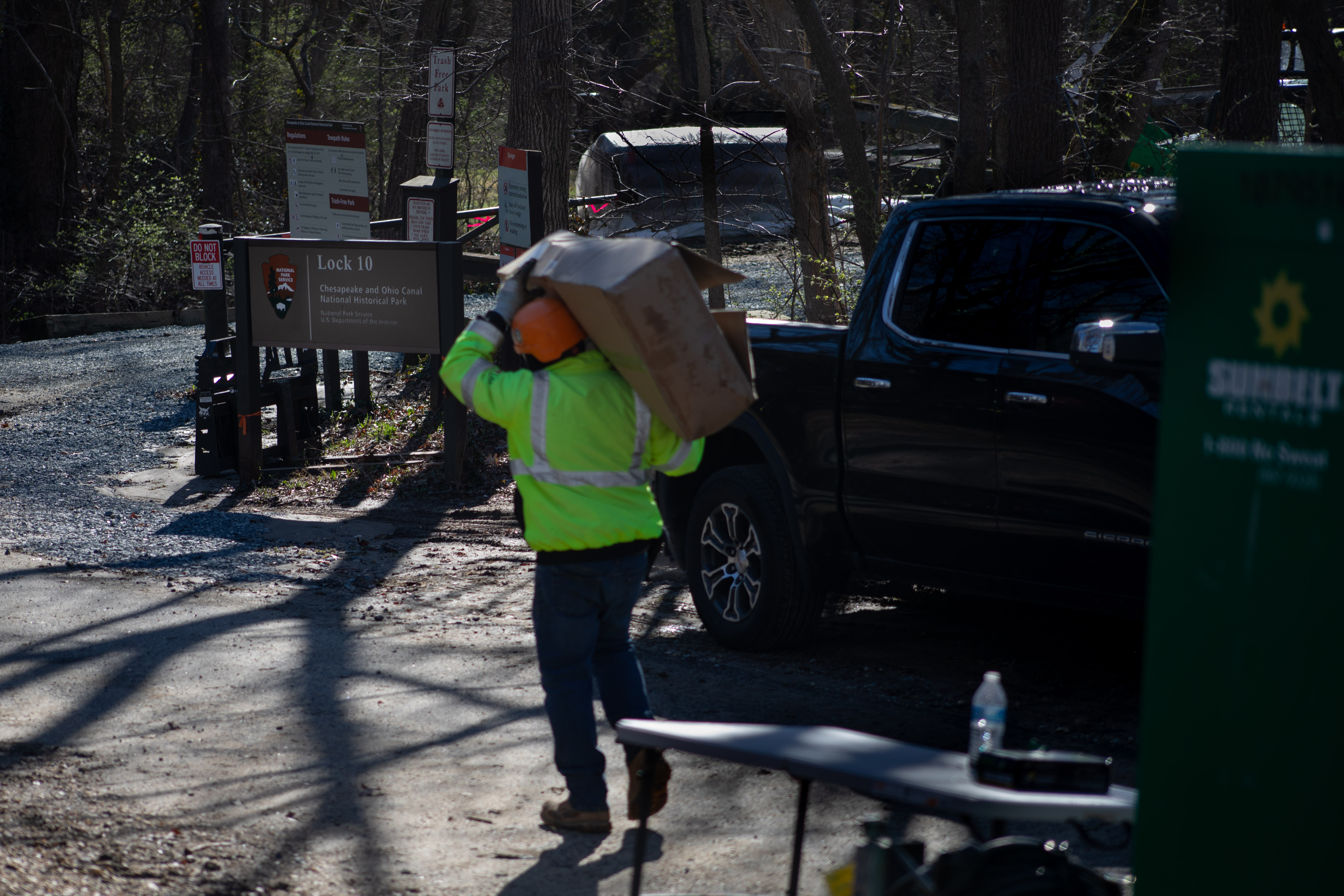
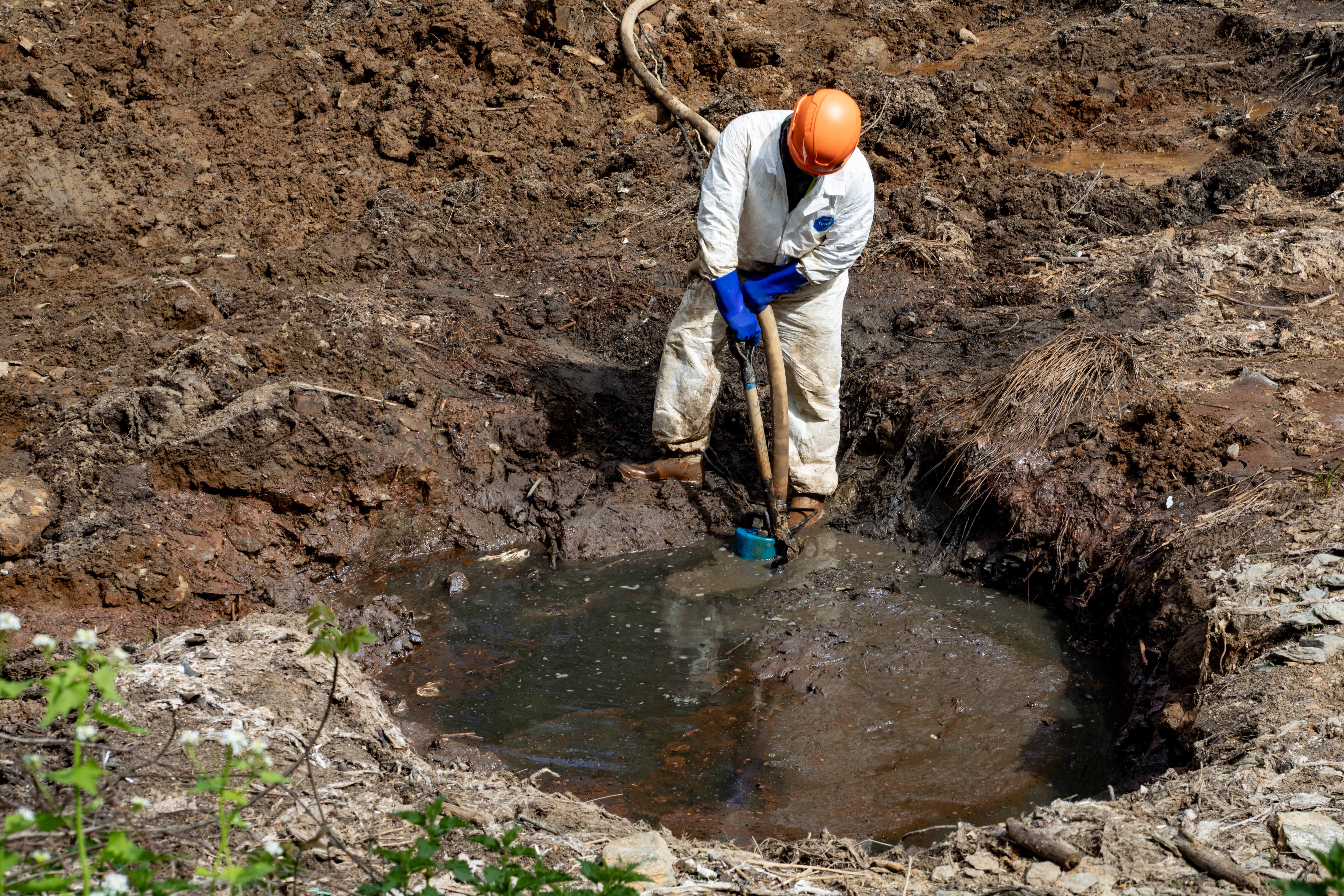
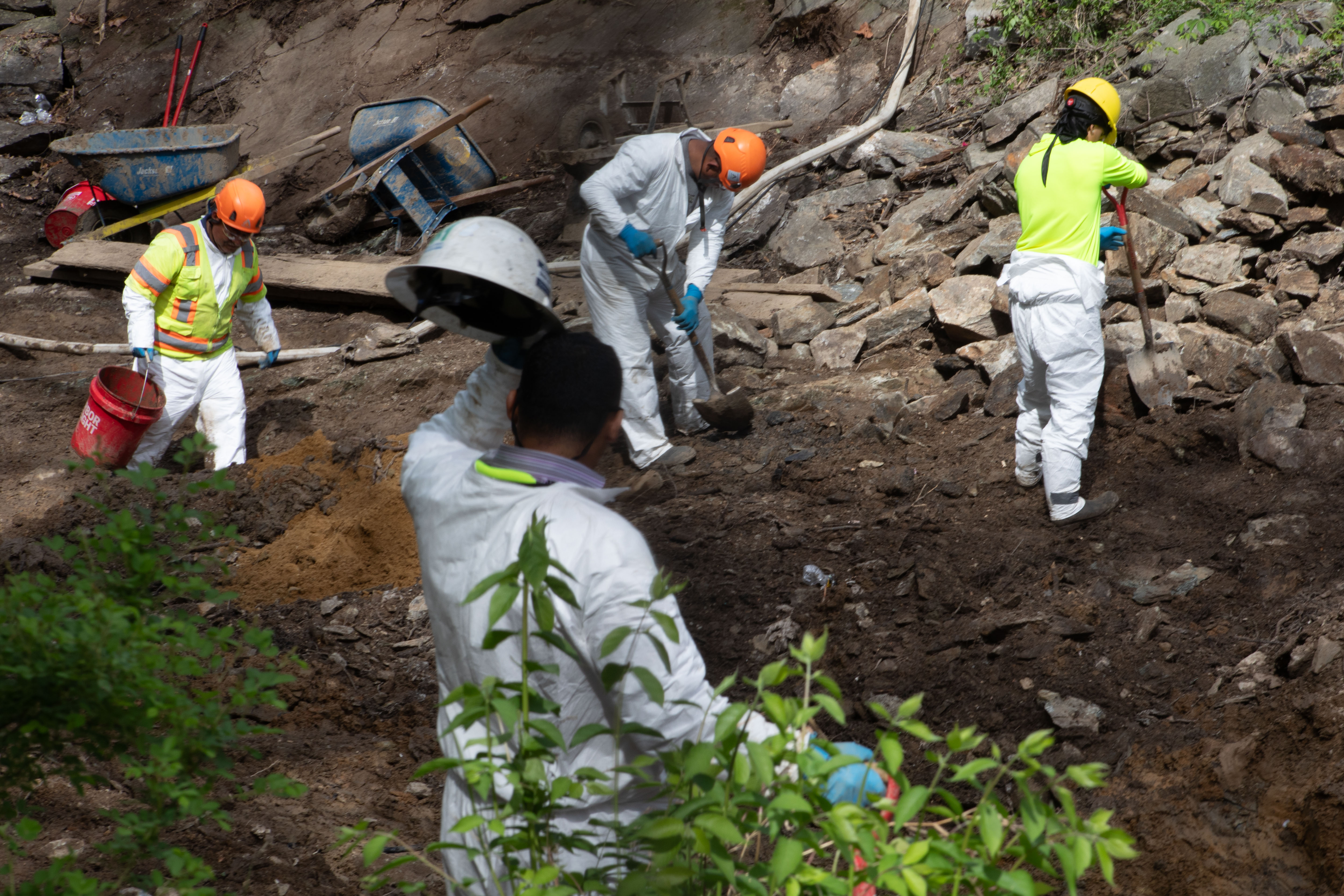
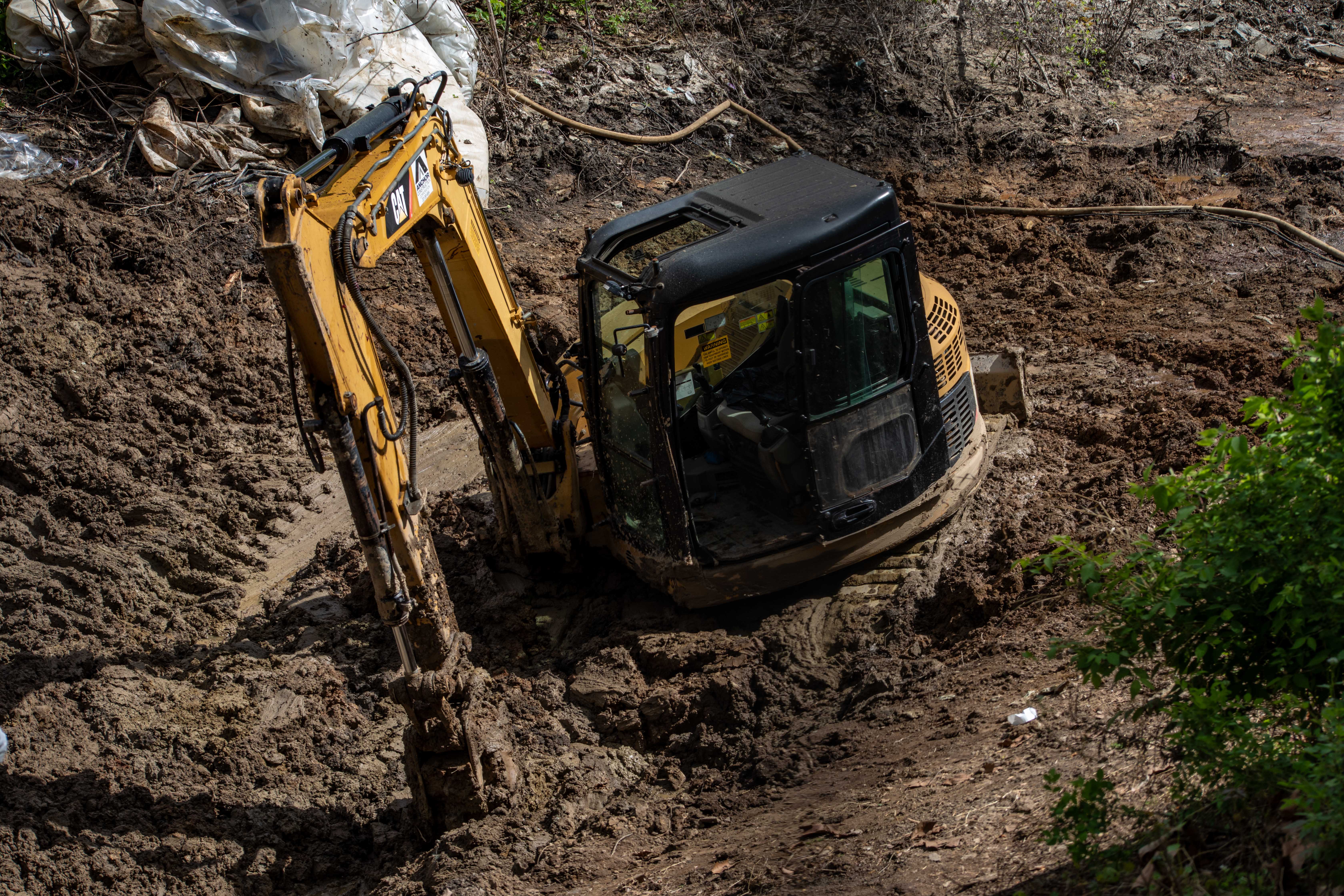
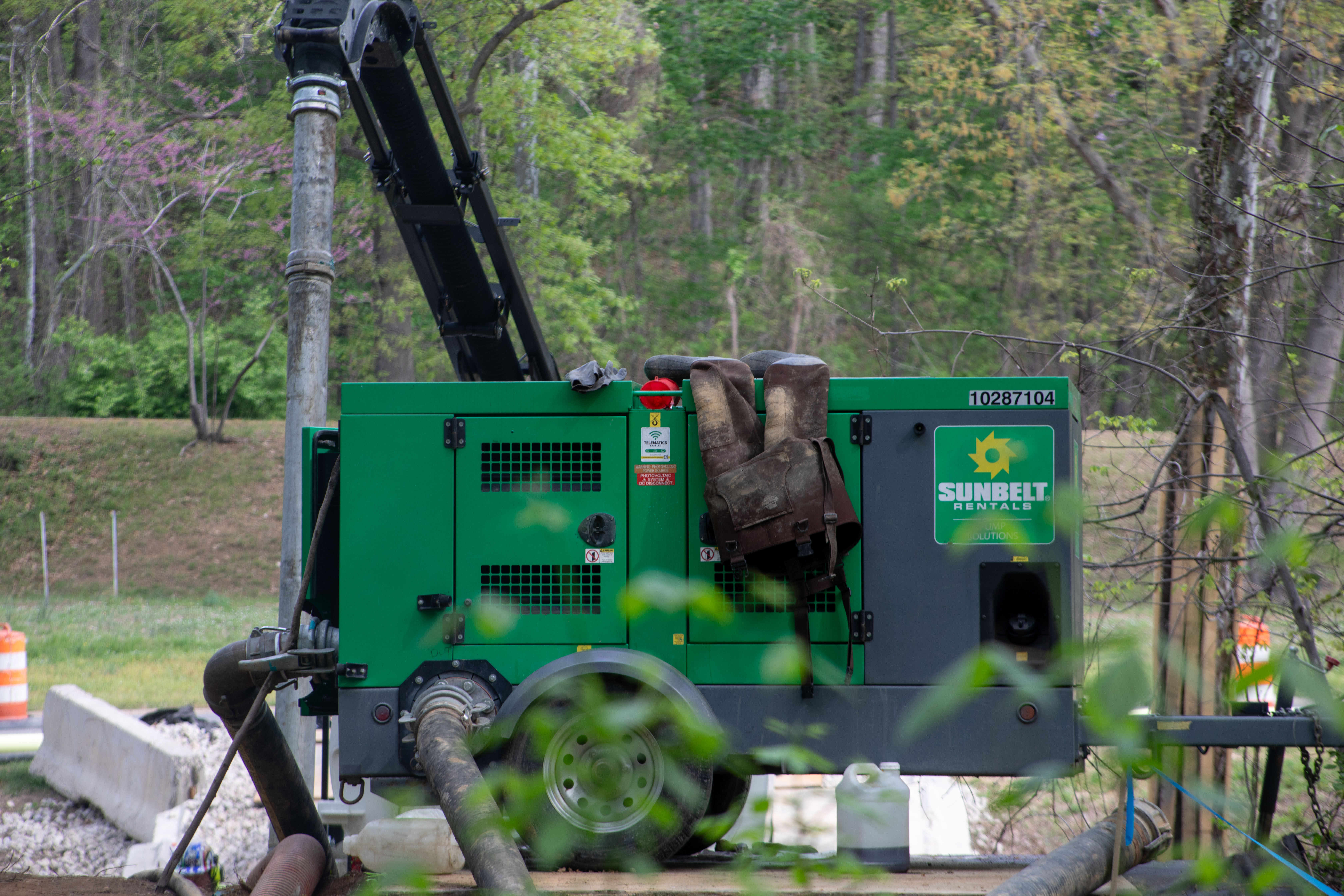
Contractors remove solid waste from the Chesapeake & Ohio Canal near Cabin John, Md. on Tuesday, Mar. 14, 2026. DC Water routed sewage into the C&O Canal after the Potomac Interceptor pipeline burst on Jan. 19, creating a bypass around the broken section. After DC Water vacuumed liquid waste out of the drained canal, contractors for the utility cleared remaining solids. In the future, soil will be stripped from the canal down to its clay liner, then replaced and planted with native species, a DC Water spokesperson said.
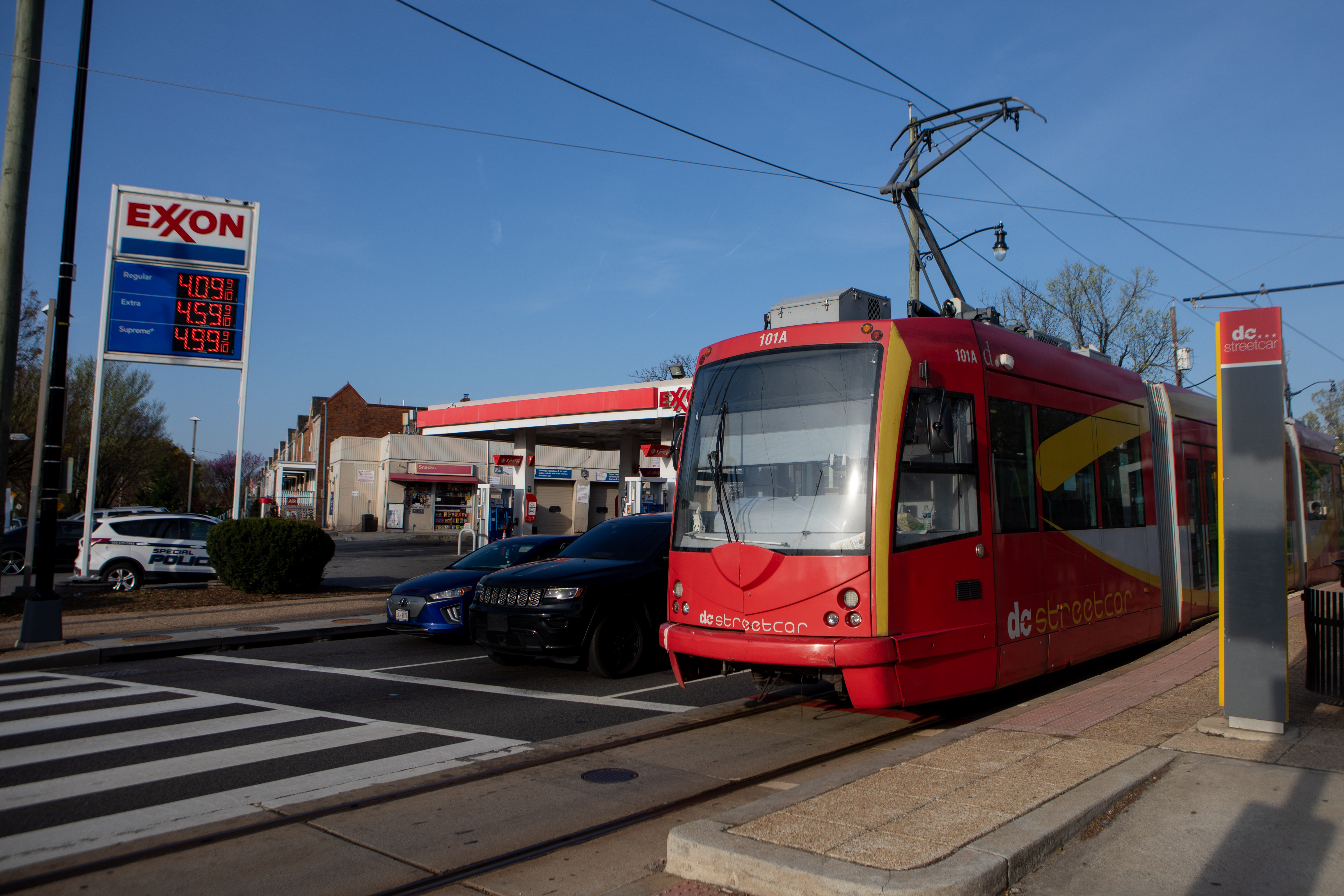
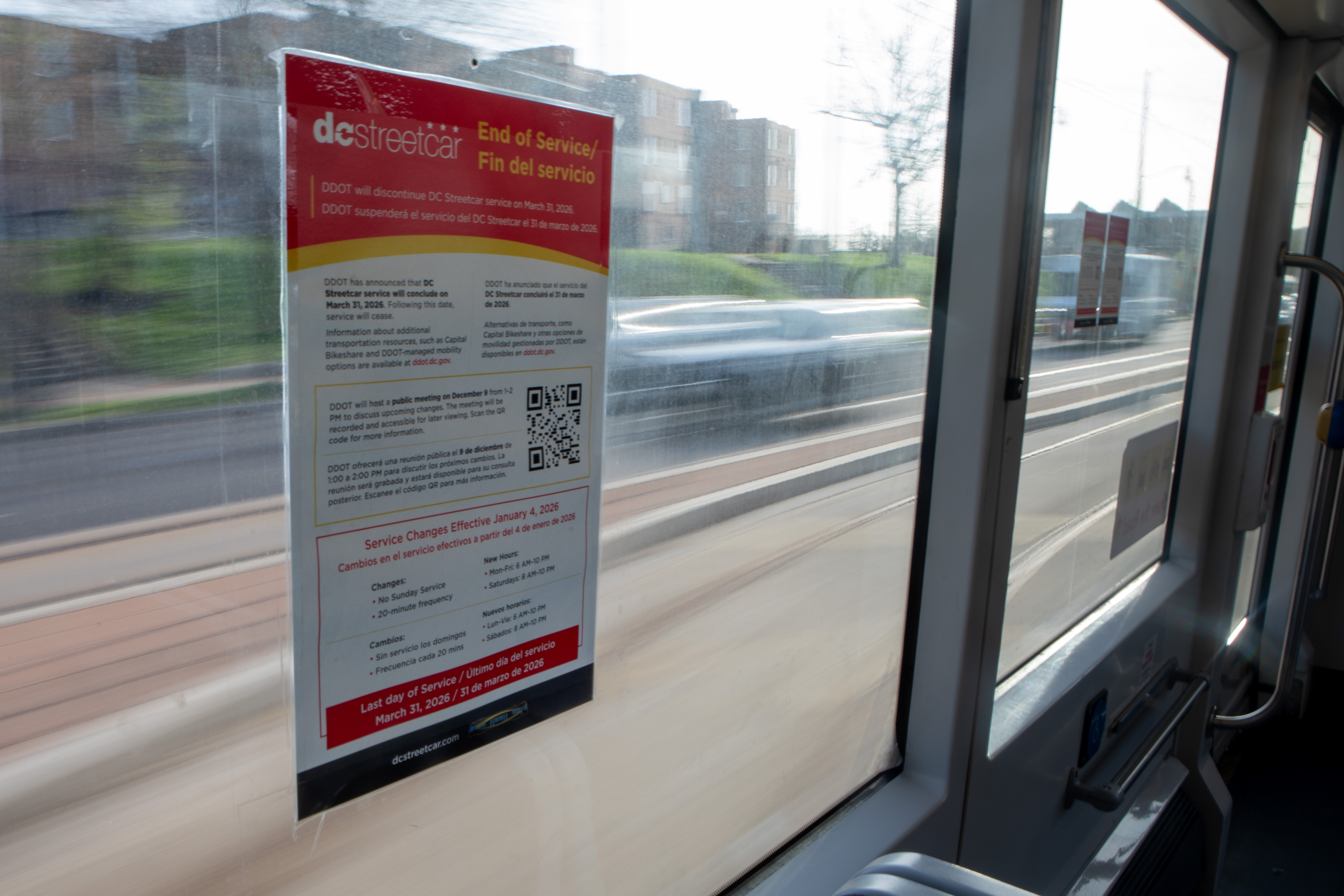
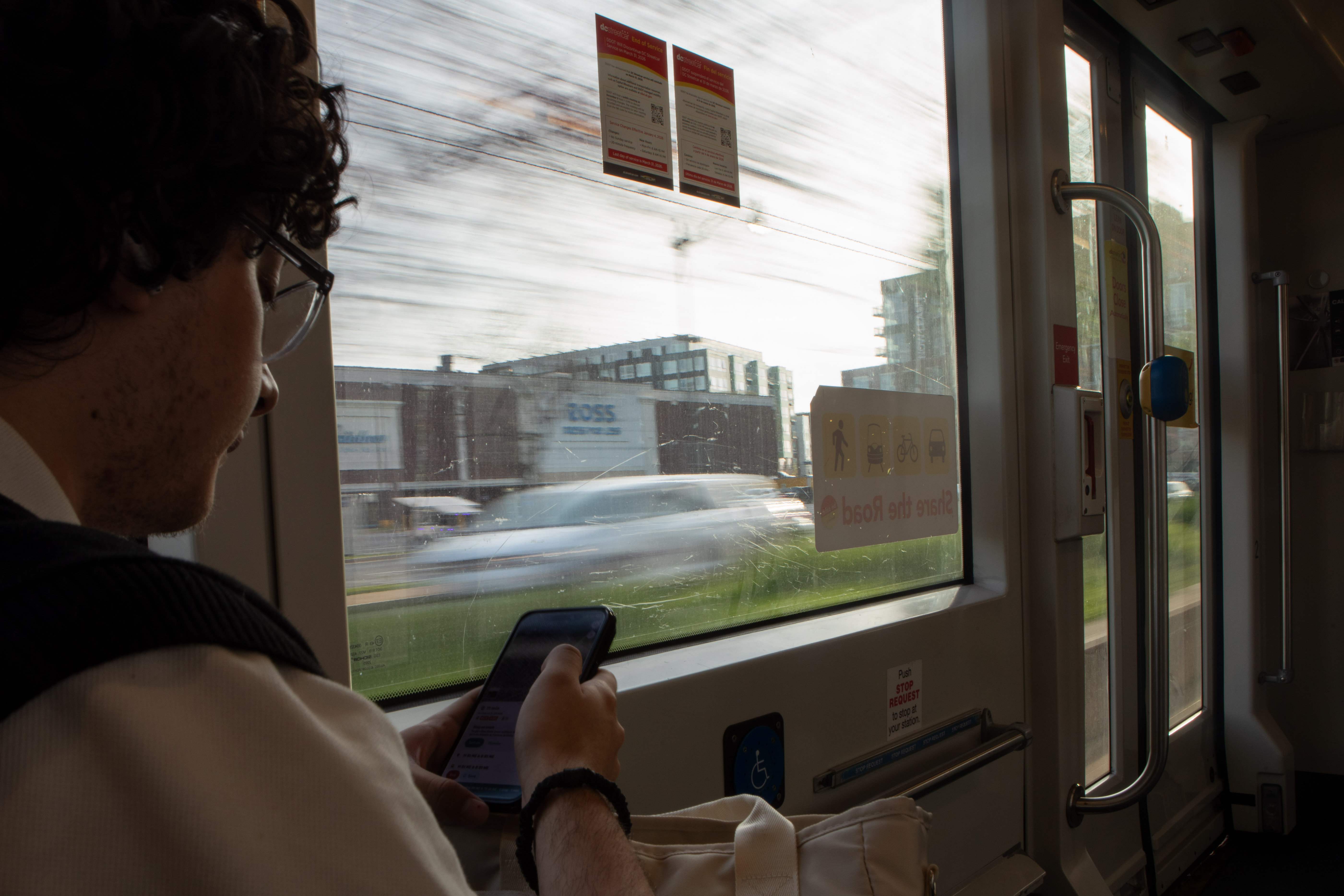
What will Northeast Washingtonians do without the DC Streetcar? Take the bus, some of them said.
The streetcar stretches 2.2 miles east from Union Station, but stops short of Metro stations on the Orange, Blue and Silver lines. Since it opened in 2016 after years of delays and a $200 million outlay, the streetcar cost Washington an average of $12 million per year – an average of $12.91 per rider, the Washington Post reported. It moves a fraction of the people of the parallel bus route at an achingly slow pace, as it stops for traffic lights, cars and pedestrians along the H Street corridor.
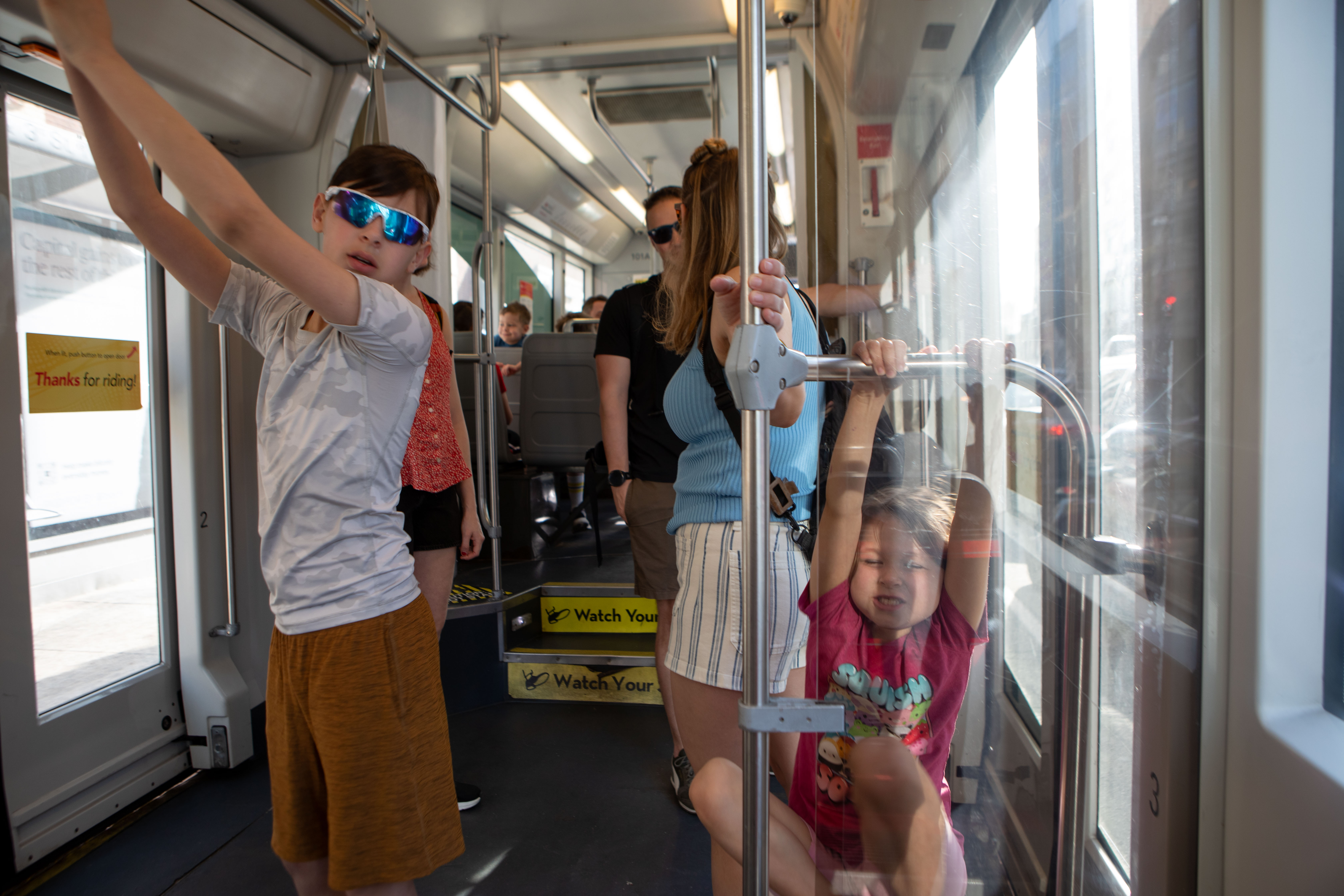
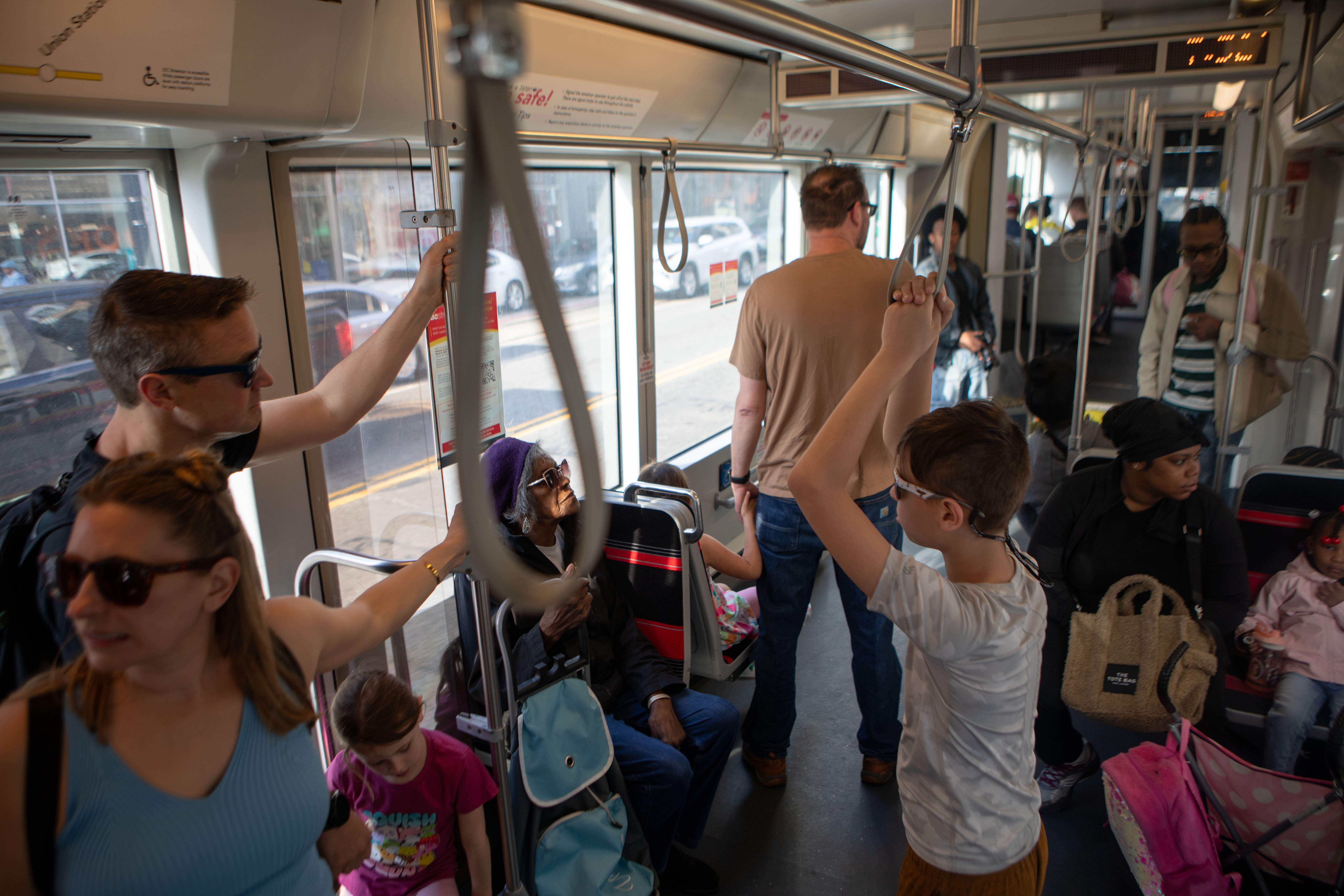
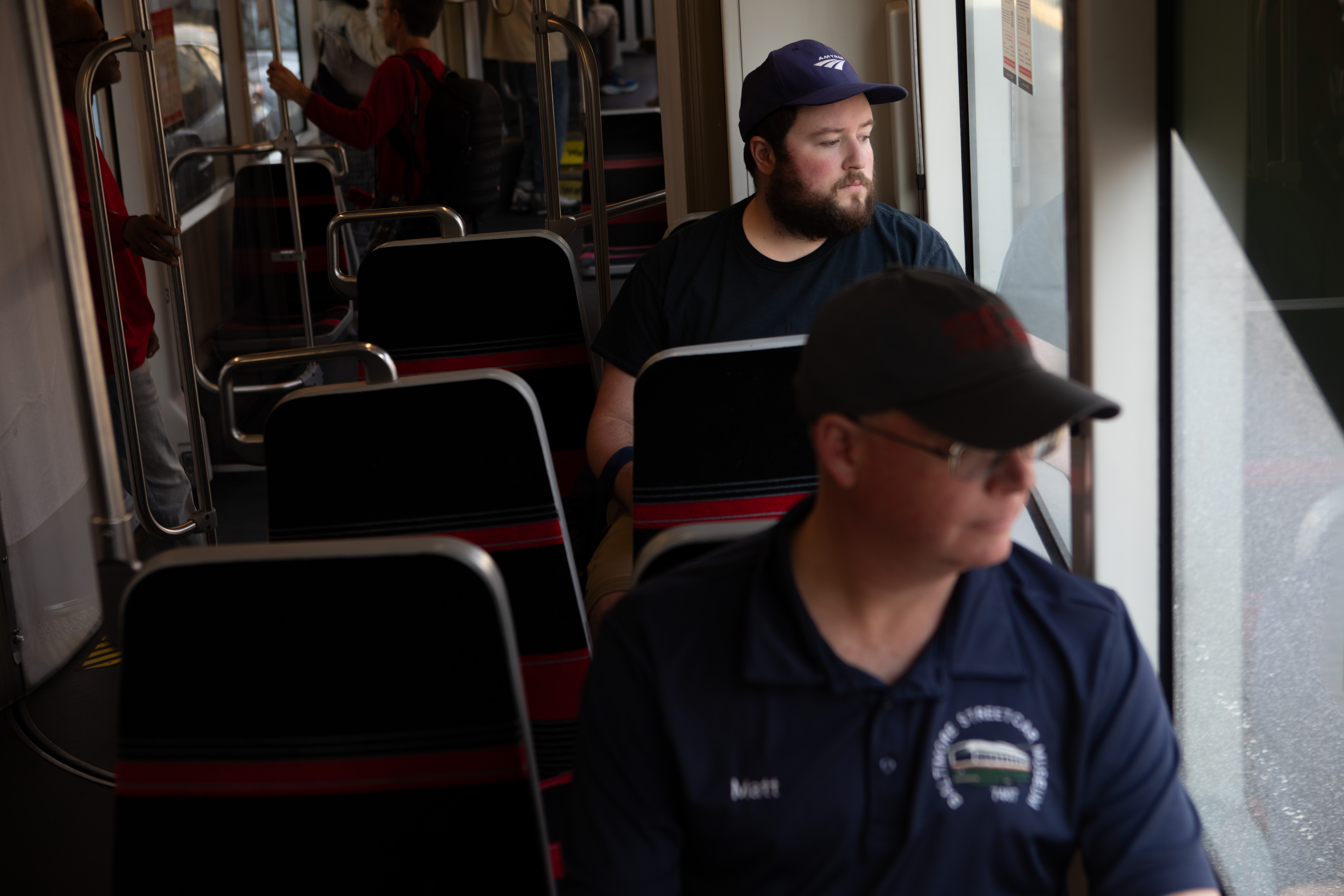
On its last morning of service, the streetcar was populated with families out together, seniors getting groceries and transit geeks taking one last ride.
 Ben Ackman's Photography Website